


Weaverville, CA Heat Pump Installation: Costs, Types & Tips
Heat pumps are a versatile heating and cooling technology that move heat rather than generate it, and they are increasingly relevant for Weaverville CA homeowners seeking efficient year-round comfort. This guide explains what a heat pump is, why it can be a smart fit for Weaverville’s climate and housing stock, and how installation, incentives, and maintenance interact to determine long-term value. Readers will learn the practical benefits, the main system types to consider (air source, ductless mini-split, geothermal), the local cost drivers and incentive landscape, and a clear, technician-validated installation workflow to set homeowner expectations. Along the way we cover how to vet installers, what to expect on installation day, and actionable maintenance steps that extend equipment life while protecting efficiency. This article uses local context and technical signals—SEER, HSPF, COP, ductwork, load calculations—so you can compare options, prepare for estimates, and decide whether a heat pump is the right upgrade for your Weaverville home.
What Are the Benefits of Heat Pump Installation for Weaverville Homes?
Heat pump systems provide efficient heating and cooling by transferring thermal energy between indoor and outdoor environments, which reduces on-site fossil fuel use and increases seasonal efficiency. The mechanism—refrigerant cycles that absorb and release heat—yields reliable year-round comfort with precise temperature control and often better humidity management than legacy systems. For many Weaverville homes this translates to lower energy consumption per unit of delivered comfort, improved indoor air consistency across floors, and a single system that replaces separate furnace and air conditioner setups. Understanding these benefits helps homeowners weigh performance, environmental impact, and eligibility for incentives when considering an upgrade to a .
Heat pumps offer several homeowner-facing advantages in practical terms:
- Improved home comfort and even temperature distribution through efficient heat transfer.
- Reduced energy use compared with resistance heating or older HVAC equipment in many climates.
- Single-system heating and cooling that simplifies maintenance and controls.
These benefits often motivate homeowners to seek professional sizing and installation so systems deliver promised efficiency. The next subsections explain how efficiency and savings materialize in everyday use and what environmental benefits local residents may expect.
How Do Heat Pumps Improve Energy Efficiency and Comfort in Weaverville?
A heat pump improves energy efficiency by moving heat rather than creating it, achieving higher COP and HSPF values that measure usable heat per unit of electrical input. This transfer mechanism provides gentle, consistent heating and cooling with fewer temperature swings than on/off fossil systems, improving occupant comfort and reducing peak load stress on building envelopes. In practical terms, properly sized systems maintain stable setpoints on multi-story homes and manage humidity better during shoulder seasons, which enhances perceived comfort without large energy penalties. Installing the right capacity and matching indoor distribution to home layout are critical to realizing these efficiency gains and avoiding short cycling.
Those performance benefits depend on correct system sizing and ductwork or zoning design, which leads directly into how homeowners should evaluate system types and installer proposals. The next subsection outlines the potential environmental and cost savings that typically accompany a switch to heat pumps.
Which Types of Heat Pumps Are Best Suited for Weaverville CA?
Choosing a heat pump type hinges on home size, ductwork, site constraints, and long-term goals; the main hyponyms are air source, ductless mini-split, and geothermal heat pumps. Air source systems integrate with existing ducted HVAC or can be installed as packaged units for whole-home service; ductless mini-splits are ideal for zoned retrofit applications where ducts are absent or impractical; geothermal systems offer high steady efficiency but require land and excavation. Each option balances installation complexity, efficiency metrics (SEER, HSPF, COP), and homeowner priorities such as aesthetics, zoning, or long-term operating cost.
Below is a concise comparison to help homeowners evaluate fit by common attributes.
| System Type | Key Attribute | Typical Value / Consideration |
|---|---|---|
| Air Source Heat Pump | Climate suitability | Well-suited to moderate California climates; performs efficiently in most Weaverville scenarios |
| Ductless Mini-Split | Home types best served | Older homes or additions lacking ductwork; offers room-by-room zoning |
| Geothermal Heat Pump | Site requirements | Requires ground-loop space and excavation; best where long-term efficiency outweighs site impact |
How Do Ductless Mini-Split Heat Pumps Compare for Local Homes?
Ductless mini-split heat pumps consist of compact indoor heads connected to an outdoor compressor, enabling zoned control without modifying existing ducts—an attractive option for retrofits, additions, or rooms with unique thermal loads. Zoning improves comfort and can reduce energy use by conditioning only occupied spaces, and multiple indoor units allow targeted control in multi-story or multi-use homes. Mini-splits require careful siting for indoor heads, condensate handling, and aesthetic considerations, and they typically involve lower installation disruption than full duct replacement. For Weaverville homeowners with older homes or partial-home needs, mini-splits are often a cost-effective path to electrified heating and cooling while minimizing structural changes.
When a whole-home solution is needed, compare mini-split zoning trade-offs with ducted systems; geothermal remains a third option for different priorities.
Are Geothermal Heat Pumps a Viable Option in Weaverville?
Geothermal heat pumps leverage ground-loop heat exchange to deliver very stable COP figures across seasons, making them efficient where land access and initial investment are acceptable. Site suitability depends on yard space, soil conditions, and the ability to schedule trenching or borehole work, so a professional site evaluation is required to determine feasibility for any Weaverville property.
Although geothermal systems tend to offer excellent steady-state efficiency and long operational life, they entail greater upfront coordination and site disruption than air source or ductless systems. For homeowners prioritizing maximum long-term efficiency and who have appropriate site conditions, geothermal can be a durable solution, but it requires early feasibility analysis and contractor expertise.
How Much Does Heat Pump Installation Cost in Weaverville CA?
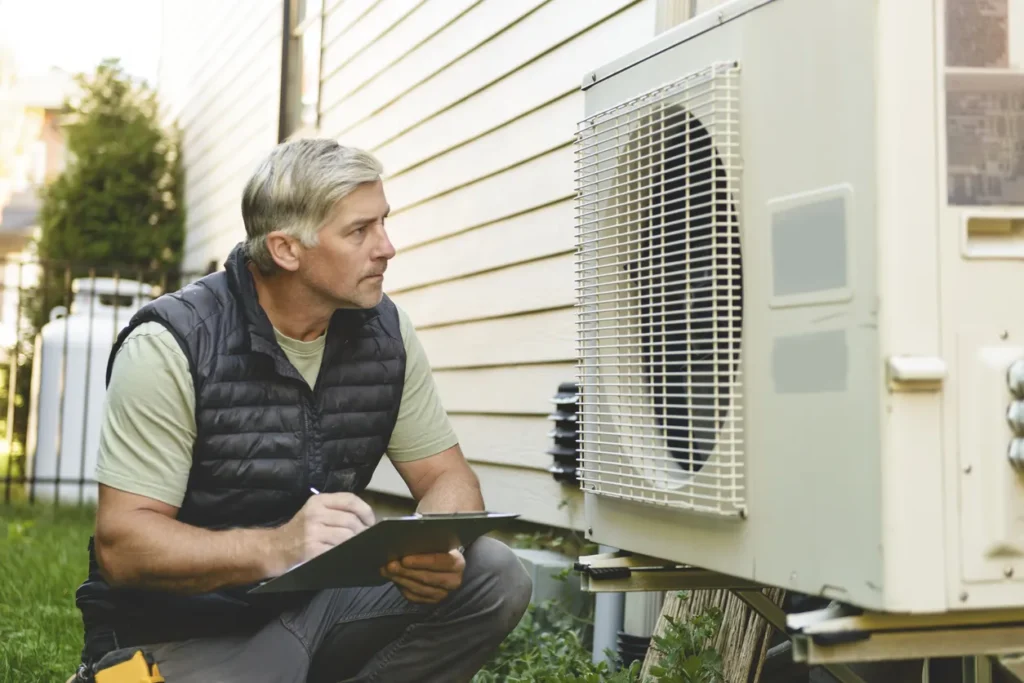
Cost for heat pump installation is determined by multiple localized factors rather than a single price line, so the right question is which elements drive scope and complexity. Key drivers include equipment type and size, existing ductwork condition, electrical service capacity, site accessibility for outdoor units, necessary structural modifications, permit and inspection fees, and contractor labor. Incentives and tax credits can materially affect net cost, so homeowners should identify applicable local and federal programs and maintain careful documentation for rebates and credits. The immediate action is to get multiple detailed, load-calculated estimates that spell out equipment specifications, required upgrades, and expected timeline.
Common cost-influencing factors are:
- Equipment selection and efficiency level (size and model specifications).
- Ductwork condition and any required distribution modifications.
- Electrical upgrades, permits, and site accessibility constraints.
Comparing estimates side-by-side helps reveal hidden scope differences and ensures apples-to-apples evaluation in light of available incentives and financing.
What Is the Step-by-Step Process for Heat Pump Installation in Weaverville?
A clear installation workflow reduces homeowner uncertainty and aligns expectations about timeline, access needs, and commissioning. The typical sequence follows initial consultation and load calculation, equipment selection and permitting, physical installation and system interconnection, and final testing, commissioning, and homeowner walkthrough. Each step has defined homeowner responsibilities—providing access, clearing work areas, and retaining documentation for rebates—while installers manage technical sizing, equipment mounting, refrigerant handling, and controls setup. Time estimates vary by scope: simple ductless installs may be completed in a day or two, whereas whole-home ducted conversions require multi-day schedules including electrical work and inspections.
Homeowners considering installation often act after reviewing clear step timelines and asking for written scope; for convenience, many seek installers who explain the entire sequence and offer support with permits and incentive paperwork. Trinity Heating & Air Conditioning provides local installation service in Weaverville and can perform consultations, load calculations, and full installations—encourage users to contact for service, request free estimates, or schedule appointments.
- Initial consultation and load calculation to determine right equipment sizing and placement.
- Permit acquisition and equipment ordering, including coordination for any utility or inspection requirements.
- Installation of outdoor and indoor units, ductwork modifications or indoor head placement for mini-splits, and electrical work.
- System charging, testing, commissioning, and homeowner walkthrough with operational training.
How Does Trinity Heating & Air Conditioning Ensure Professional Installation?
Trinity Heating & Air Conditioning follows a standardized service flow that begins with an on-site assessment and load calculation, ensuring equipment recommendations are matched to the home’s thermal profile and ductwork. Technicians handle permitting coordination, verify electrical service compatibility, and use licensed refrigerant handling practices while installing outdoor compressor units, indoor air handlers, and thermostat controls. Quality assurance steps include airflow verification, refrigerant charge validation, and a commissioning checklist that documents temperature differentials and system responsiveness; Trinity’s local license (License #727418) provides a verifiable reference for permitting and inspections. For homeowners seeking a local installer that offers comprehensive HVAC services, Trinity Heating & Air Conditioning can be contacted to evaluate needs and provide a documented proposal—encourage users to contact for service, request free estimates, or schedule appointments.
What Should Homeowners Expect During Each Installation Phase?
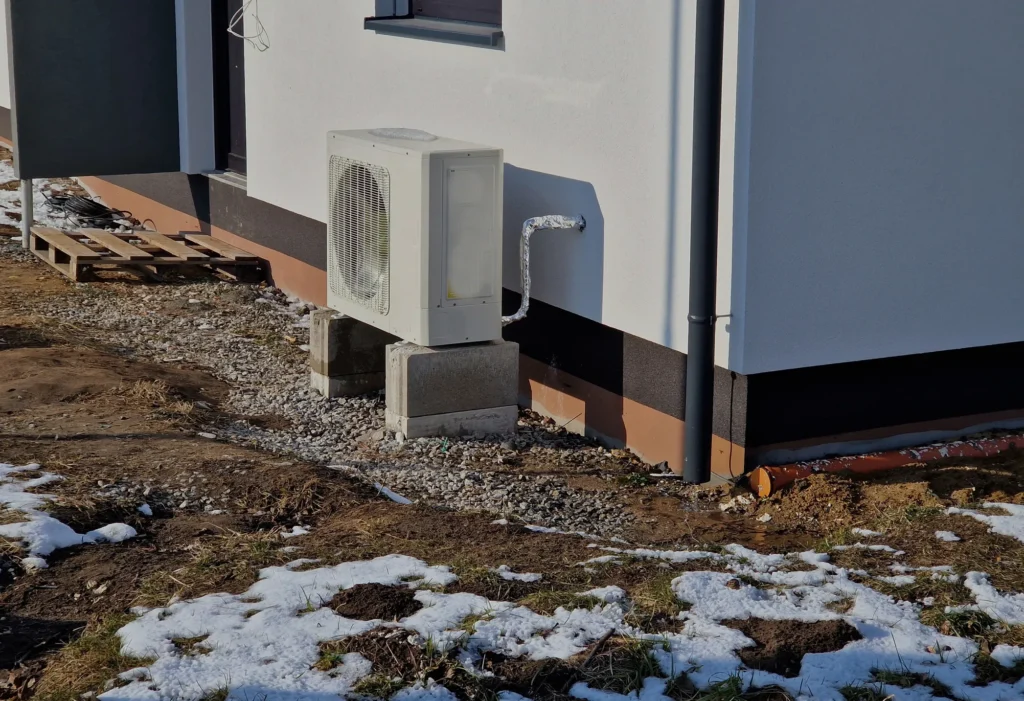
Before installation, homeowners should prepare by clearing access routes, securing pets, and confirming power availability so technicians can work efficiently and safely. On installation day crews typically remove old equipment as required, mount outdoor units on pads or brackets, install indoor handlers or duct connections, and run refrigerant lines and electrical wiring; progress often proceeds room-by-room for multi-unit systems. After mechanical work, technicians perform system charging, airflow adjustments, and control calibration followed by testing in heating and cooling modes to validate performance against design targets. A final walkthrough explains thermostat operation, maintenance requirements, and warranty paperwork; homeowners should retain invoices and permit documentation for incentives and tax credits.
Clear communication during each phase prevents misunderstandings and ensures the installed system meets the performance and efficiency expectations established during quoting.
What Maintenance Tips Extend the Life of Your Heat Pump in Weaverville?
Regular maintenance preserves efficiency and extends service life by ensuring refrigerant charge, airflow, and controls operate within designed parameters. Homeowner tasks like routine filter changes, keeping outdoor units free from debris, and maintaining clear airflow paths reduce stress on compressors and fans. Professional service—typically performed annually—should include refrigerant checks, coil cleaning, electrical inspections, motor lubrication if applicable, and a performance test that documents temperature split and system responsiveness. Preventive maintenance minimizes common failure modes and helps catch issues early, improving long-term value and safety.
A structuredmaintenance plan blends homeowner checks with scheduled professional visits to keep equipment performing as designed and to protect warranty coverage.
| Maintenance Task | Frequency | Responsibility |
|---|---|---|
| Filter replacement | Monthly or per manufacturer | Homeowner |
| Outdoor coil and area clearing | Quarterly or as needed | Homeowner / Technician |
| Professional inspection and tune-up | Annually | Professional technician |
| Refrigerant leak check | During professional service or if performance drops | Professional technician |
How Often Should Heat Pumps Be Serviced for Optimal Performance?
For most systems, an annual professional inspection timed before major heating or cooling seasons ensures components are operating correctly and energy performance is maintained. Annual visits should include refrigerant verification, airflow measurements, thermostat calibration, and safety checks on electrical connections; these procedures protect efficiency and help identify emerging issues before they become costly. Homeowners complement professional service with more frequent visual checks and filter changes—typically monthly to quarterly depending on filter type and household conditions—to preserve airflow and indoor air quality. Keeping a simple maintenance log with service dates and notes makes rebate documentation and warranty claims more straightforward.
Consistent scheduling of homeowner tasks and professional visits is a low-risk way to sustain system efficiency and reduce the chance of mid-season failures.
What Are Common Heat Pump Issues and How Can They Be Prevented?
Common issues include refrigerant leaks, reduced airflow from dirty filters or blocked ducts, thermostat misconfiguration, and outdoor unit obstruction from vegetation or debris; each has identifiable symptoms such as diminished output, icing, or short cycling. Prevention emphasizes routine filter maintenance, seasonal outdoor unit inspection, and prompt professional attention when performance degrades or safety devices trip. For refrigerant concerns or electrical anomalies, contact a licensed technician rather than attempting DIY repairs, since refrigerant handling and sealed-system work require certified practices. Early detection through annual checks and attentive homeowner monitoring reduces downtime and prevents small problems from escalating.
Frequently Asked Questions
What factors should I consider when choosing a heat pump for my home?
When selecting a heat pump, consider factors such as your home’s size, existing ductwork, and specific heating and cooling needs. Evaluate the climate in Weaverville, as certain heat pump types perform better in specific conditions. Additionally, think about your long-term goals, such as energy efficiency and maintenance costs. It’s also essential to assess the installation complexity and whether you prefer a ducted or ductless system. Consulting with a professional can help you make an informed decision tailored to your home.
Are there any local incentives for installing heat pumps in Weaverville?
Yes, homeowners in Weaverville may be eligible for various local and federal incentives when installing heat pumps. These can include tax credits, rebates, and financing options aimed at promoting energy-efficient upgrades. It’s crucial to research available programs and ensure you meet the eligibility criteria. Keeping thorough documentation of your installation can help you take full advantage of these incentives. Consulting with your installer can also provide insights into the best options available for your specific situation.
How can I ensure my heat pump operates efficiently throughout the year?
To maintain your heat pump’s efficiency, regular maintenance is key. This includes changing filters monthly, keeping outdoor units clear of debris, and scheduling annual professional inspections. During these inspections, technicians can check refrigerant levels, clean coils, and ensure all components are functioning correctly. Homeowners should also monitor their system’s performance and address any unusual noises or inefficiencies promptly. By combining routine homeowner tasks with professional service, you can maximize your heat pump’s efficiency and lifespan.
What should I do if my heat pump is not heating or cooling effectively?
If your heat pump is not performing as expected, first check the thermostat settings to ensure they are correct. Inspect the air filters and replace them if they are dirty, as this can restrict airflow. Additionally, ensure that the outdoor unit is free from obstructions like leaves or debris. If these steps do not resolve the issue, it may be time to contact a professional technician. They can diagnose potential problems such as refrigerant leaks or mechanical failures that require expert attention.
How long can I expect my heat pump to last?
With proper maintenance, a heat pump can last between 15 to 20 years. Factors influencing its lifespan include the quality of the installation, the type of heat pump, and how well it is maintained. Regular professional inspections and timely repairs can significantly extend the life of your system. Homeowners should also be aware of signs that indicate the need for replacement, such as frequent breakdowns or rising energy bills, which may suggest that the system is no longer operating efficiently.
What are the environmental benefits of using heat pumps?
Heat pumps are environmentally friendly as they use significantly less energy compared to traditional heating systems that rely on fossil fuels. By transferring heat rather than generating it, they reduce greenhouse gas emissions and lower overall energy consumption. Additionally, many heat pumps can utilize renewable energy sources, further decreasing their environmental impact. By choosing a heat pump, homeowners contribute to a more sustainable future while enjoying the benefits of efficient heating and cooling in their homes.
Conclusion
Investing in a heat pump system can significantly enhance your home’s energy efficiency and comfort, providing reliable heating and cooling year-round. By understanding the various types of heat pumps and their benefits, homeowners in Weaverville can make informed decisions that align with their specific needs and environmental goals. To explore your options and receive personalized guidance, consider reaching out to local experts who can assist with installation and maintenance. Take the first step towards a more comfortable and efficient home by contacting Trinity Heating & Air Conditioning.