



Heat Pumps Explained: A Practical Guide to Efficient Heating & Cooling
High bills and uneven temperatures are a common frustration for homeowners. A heat pump offers a different approach — it moves heat instead of creating it — which can cut costs and improve comfort. This guide walks through what a heat pump is, how the refrigerant cycle delivers year‑round heating and cooling, and why modern systems often beat electric resistance heat. You’ll learn the main types — air‑source, geothermal, and ductless mini‑splits — their advantages and typical uses, plus what to expect from professional installation, routine heat pump maintenance, and the efficiency numbers that affect your bills. Practical sections cover installation steps, local considerations for Weaverville‑area homes, and financing or rebate options to lower upfront costs. Read on to compare systems, understand SEER, HSPF and COP, and see how correct installation plus a maintenance plan keep your home comfortable and your bills down.
What Is a Heat Pump and How Does It Work?
A heat pump moves thermal energy between your home and the outdoors using a refrigerant loop, compressor, evaporator and condenser. In heating mode it pulls heat from outdoor air or the ground and brings it inside; in cooling mode the cycle reverses and carries heat out of the house. Because it transfers heat rather than producing it with resistance, one heat pump can handle both heating and cooling more efficiently than electric resistance systems. Knowing the basic cycle helps you evaluate efficiency, sizing and installation needs before choosing equipment.
Pulling heat from ambient air or the soil is the core idea behind both air‑ and ground‑source heat pumps.
How Do Heat Pumps Transfer Heat Efficiently?
Heat pumps circulate refrigerant that absorbs heat when it evaporates and releases heat when it condenses. A compressor raises pressure and temperature, the evaporator coil pulls in ambient heat, and the condenser coil deposits heat where it’s needed. A reversing valve flips the cycle for cooling. Because the system moves heat, its coefficient of performance (COP) can be above 1 — meaning it delivers more usable heat than the electricity it consumes. Real‑world efficiency and responsiveness depend on the refrigerant cycle and component quality.
What Are the Key Benefits of Using Heat Pumps?
- Energy savings: Heat pumps commonly deliver two to five times more heat energy than the electricity they use.
- Heating and cooling in one: One system handles both, simplifying equipment and controls.
- Lower emissions: Moving ambient heat reduces on‑site combustion and greenhouse gas intensity.
Those benefits typically mean lower utility bills and fewer separate mechanical systems to maintain — which factors into your choice of system and installer.
What Are the Main Types of Heat Pumps and Their Advantages?
Heat pumps come in three common forms: air‑source, geothermal (ground‑source), and ductless mini‑splits — each suited to different homes and climates. Air‑source systems pull heat from outdoor air and are broadly applicable with simpler installation. Geothermal systems use the ground’s stable temperature for higher, steadier COPs but require ground loops and more site work. Ductless mini‑splits heat or cool individual rooms without ducts and provide precise zone control. The table below highlights key attributes to help you decide which fits your home and goals.
| System Type | Typical Efficiency | Installation Complexity | Ideal Use |
|---|---|---|---|
| Air Source Heat Pump | Moderate to high (cold‑climate models improving) | Lower; outdoor unit plus indoor air handler | Whole‑house retrofits or new homes with ducts |
| Geothermal (Ground‑Source) | High; very stable COP | High; requires ground loop drilling or trenches | Properties with site access and a focus on long‑term savings |
| Ductless Mini‑Split Heat Pump | High for room‑level control | Low to moderate; wall‑mounted indoor units | Additions, older homes, or rooms without ducts |
This comparison shows how efficiency, cost and site suitability differ — guiding the decision between air‑source, geothermal or ductless solutions based on your priorities.
What Are the Advantages of Air Source Heat Pumps?
Air‑source heat pumps are versatile and typically easier to install because they use outdoor air as the heat source and require less site work. Modern cold‑climate models keep good heating capacity at lower temperatures, improving year‑round performance in many regions. Upfront costs and installation complexity are usually lower than geothermal, making air‑source systems a common choice for both retrofits and new construction. For local homeowners, professional installation and regular heat pump maintenance keep performance high and long‑term operating costs down.
How Do Geothermal Heat Pumps Provide Superior Efficiency?
Geothermal heat pumps use the ground’s steady temperature to achieve higher efficiency and a more consistent COP through the seasons, which lowers energy use. Ground loops — installed in horizontal trenches or vertical boreholes — circulate fluid that exchanges heat with the soil, producing quiet operation and long equipment life. The trade‑off is higher upfront complexity and site requirements, but the long‑term savings and durability can make geothermal attractive where feasible. Local installers can assess your property to determine whether a geothermal system is practical and cost‑effective.
How Expert Heat Pump Installation Boosts Home Comfort and Efficiency
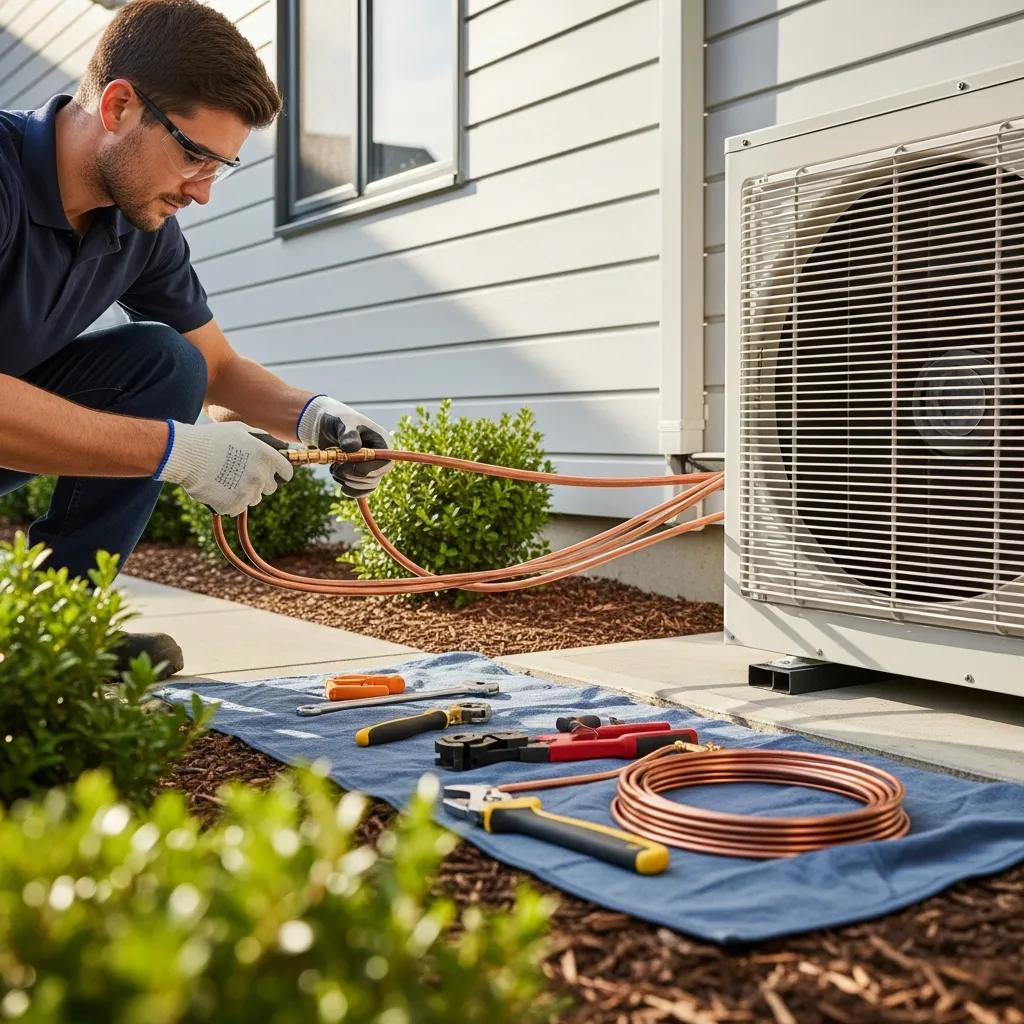
Proper installation ensures correct sizing, the right refrigerant charge, integrated ductwork and well‑configured controls — all key to comfort, efficiency and equipment life. A professional installer performs load calculations, matches components, and commissions the system with performance tests to meet efficiency targets and warranty requirements. Quality installation reduces the need for heat pump repair and helps your system run predictably across seasons.
| Service Step | What Trinity Heating & Air Conditioning Does | Customer Outcome |
|---|---|---|
| Site assessment & load calculation | Inspect the home and calculate capacity needs | Right‑sized system and even comfort |
| Equipment selection & sizing | Recommend compatible models and ductwork solutions | Optimized efficiency and reliable performance |
| Installation & refrigerant charging | Install indoor/outdoor units and set proper charge | Dependable operation and warranty compliance |
| Commissioning & homeowner training | Test the system and walk you through controls | Confident operation and fewer service calls |
This organized approach reduces uncertainty and sets clear expectations for installation day and ongoing care.
What Should You Expect During Heat Pump Installation?
Expect an initial site visit for load calculations and planning, followed by a scheduled installation day when outdoor and indoor units are mounted and duct or line‑set work is completed. Technicians handle refrigerant charging, electrical hookups and startup testing, then verify performance and give you a controls walkthrough. The crew cleans up and reviews recommended heat pump maintenance to keep efficiency steady. Knowing the timeline helps you prepare for minimal disruption and a smooth handoff.
Why Choose Local Experts for Heat Pump Installation in Weaverville?
Local installers understand regional weather patterns, permitting requirements, and the construction types common in Weaverville, Junction City and Lewiston. That local knowledge leads to better equipment choices and placement, faster service response and prioritized scheduling for maintenance plans. Local teams also help you navigate incentives and financing options, and they stand behind their work in the community. To request a local evaluation or request an estimate, call Trinity Heating & Air Conditioning to discuss your property and book a site visit.
How Do Heat Pumps Save Energy and Reduce Heating Costs?
Heat pumps save energy by moving ambient heat instead of producing it with resistive elements, often delivering two to five times the useful heat per unit of electricity. Real savings depend on correct sizing, duct condition, thermostat strategy and maintenance that preserves rated efficiency. Key metrics — SEER for cooling, HSPF for heat‑pump heating, and COP for instantaneous performance — help you compare models and estimate operating costs. The table below defines these ratings and typical modern values to guide selection.
| Metric | What It Measures | Typical Range / Note |
|---|---|---|
| SEER | Seasonal Energy Efficiency Ratio for cooling | Modern systems: 14–22 (higher is better) |
| HSPF | Heating Seasonal Performance Factor for heat pumps | Modern systems: 8–12 (higher is better) |
| COP | Coefficient of Performance at a specific condition | Often 2.5–4.5 depending on temperature |
What Efficiency Ratings Should You Know: SEER, HSPF, and COP?
SEER measures seasonal cooling efficiency — a higher SEER means less electricity per cooling output. HSPF measures seasonal heating performance for heat pumps and helps compare heating energy use. COP shows instantaneous efficiency at a specific operating point and is useful for understanding performance under certain temperatures. When replacing older equipment, aim for higher SEER and HSPF values and use efficiency tables to estimate annual operating costs so you can balance upfront price with long‑term savings.
What Government Incentives and Financing Options Are Available?
Available incentives can include federal tax credits and local rebates that reduce net project costs, though programs and eligibility change over time. Financing partners — such as GreenSky — let you spread upfront cost over time, making higher‑efficiency systems easier to afford.
Trinity Heating & Air Conditioning can help identify likely incentives, explain financing choices, and recommend maintenance plans that protect your investment. Contact the team to schedule a savings assessment and review incentive eligibility.
Efficiency tips to maximize savings:
- Proper sizing: Accurate load calculations prevent undersized or oversized systems.
- Duct sealing: Tight ducts deliver heat where you need it and reduce waste.
- Smart controls: Programmable thermostats and zoning reduce unnecessary runtime.
We covered heat pump fundamentals, compared main system types, outlined installation expectations, and explained efficiency metrics and incentives. For Weaverville homeowners thinking about a heat pump upgrade or routine heat pump maintenance, a professional evaluation clarifies options and potential savings. To arrange an on‑site assessment, call Trinity Heating & Air Conditioning.
Conclusion
A properly chosen and installed heat pump can noticeably improve your home’s energy efficiency, delivering both heating and cooling while lowering utility costs. With air‑source, geothermal and ductless mini‑split options, you can pick the solution that best fits your home and climate. Professional installation and regular maintenance ensure reliable performance and long equipment life. To explore options and schedule a consultation, contact Trinity Heating & Air Conditioning today.