



Tips for a Quieter HVAC System: Expert Guidance to Reduce Noise and Enhance Comfort
By Trinity Heating & Air Conditioning, Trinity Heating & Air Conditioning
At Trinity Heating & Air Conditioning, we understand that a quieter HVAC system significantly enhances household comfort and minimizes daily disruptions. Excessive noise from your equipment often stems from mechanical wear, loose parts, or airflow restrictions—issues that are frequently preventable. In this article, we share our professional guidance on reducing HVAC noise by identifying common causes, recommending practical solutions, and outlining maintenance practices that promote quieter operation. We discuss furnace and air conditioning noise sources, the importance of regular maintenance, and key components that influence sound levels. We also explain how Trinity Heating & Air Conditioning supports homeowners through targeted professional services.
The role of sound emission in occupant comfort is well established, driving a requirement for acoustic optimisation at early stages of HVAC system design.
What Are the Common Causes of Furnace Noise and How Can They Be Troubleshooted?
Furnace noise often signals underlying faults that merit investigation. Typical causes include mechanical deterioration, unsecured components, and airflow restrictions. Early identification of abnormal sounds reduces the risk of component failure and costly repairs. Distinguishing the character of the sound is the first step in effective troubleshooting.
Start with simple, safe checks before calling a technician. Turn the furnace off and inspect visible panels for loose screws or gaps. Check the filter access panel and the cabinet for rattles when the system is running. Note when the noises occur — startup, steady state, or shutdown — and whether they change with thermostat settings. This contextual information helps our technicians prioritise likely causes and recommend targeted remedies.
Which Furnace Sounds Indicate Mechanical Issues or Loose Components?
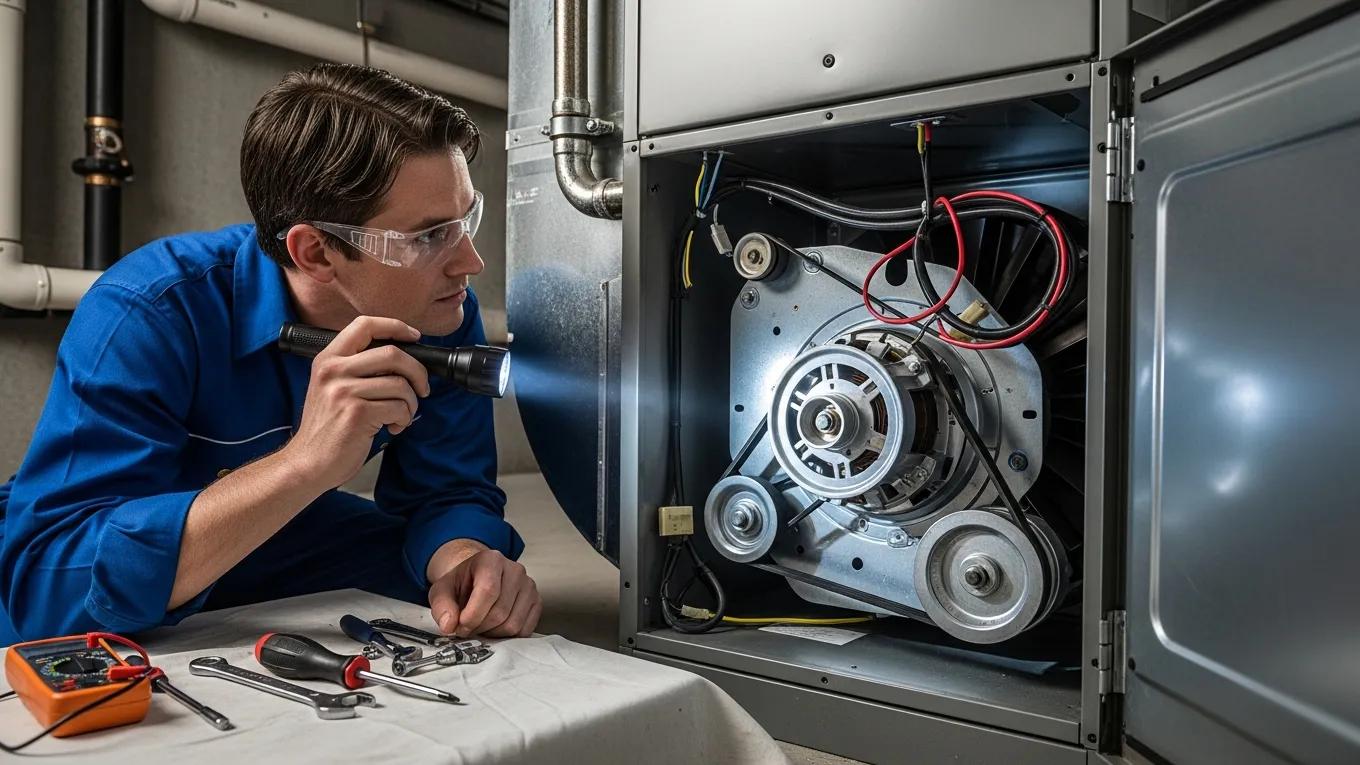
Different noises point to specific causes. Banging or rattling typically indicates loose panels, ducts, or failing mechanical parts. Squealing or high-pitched humming usually relates to the blower motor or a worn belt. Prompt inspection and repair limit further damage and restore efficient operation. Regular professional checks by Trinity Heating & Air Conditioning will detect these issues before they escalate.
Examples of DIY observations that help diagnosis: if a rattle stops when you press a particular panel, that panel or a nearby bracket is likely loose; if squeal frequency rises and falls with blower speed, the motor bearings or belt should be examined. For any electrical humming or burning smells, power down the equipment and contact Trinity Heating & Air Conditioning immediately for a safe, accurate assessment.
How Does Regular Furnace Maintenance Prevent Noisy Operation?
Routine maintenance reduces noise by keeping components clean, lubricated, and securely fastened. Typical service tasks include cleaning and lubrication, tightening or replacing fasteners, and resolving airflow restrictions. Our professional maintenance services maintain quieter operation and help extend the furnace lifespan.
A basic seasonal checklist improves outcomes: replace filters at manufacturer-recommended intervals, inspect the heat exchanger and blower assembly, verify electrical connections and mounting points, and confirm thermostat operation. Our technicians may lubricate motors, adjust belts or pulleys, and reseal cabinet joints. We document service dates and notes so future visits can target recurring items efficiently.
How Can You Reduce Air Conditioner Noise for a Quieter Home Environment?
Air conditioning units can generate intrusive noise that affects indoor comfort. Identifying the primary noise sources and applying targeted measures helps create a quieter living environment. Homeowners can implement several practical strategies to lower AC sound levels.
Consider both the outdoor condenser and indoor air handler when addressing AC noise. Outdoor units can transmit sound through the building structure and into the interior; reducing vibration transmission, improving siting, and maintaining components all contribute to quieter operation. Inside, duct noise, registers, and return grilles can amplify blower noise; a combined approach yields the best results.
What Are Effective Quiet Air Conditioner Tips and Noise Reduction Techniques?
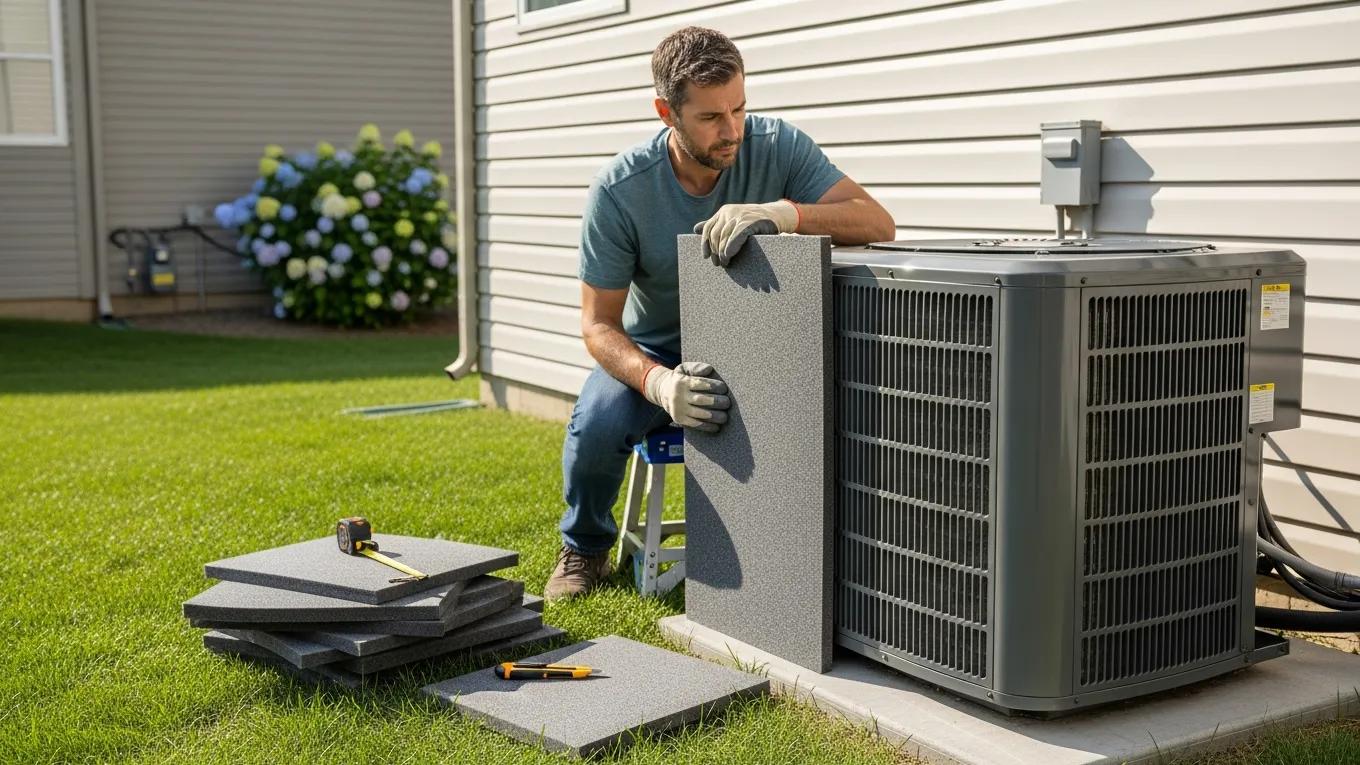
To achieve a quieter air conditioning system, consider the following tips:
- Regular Maintenance: Schedule routine inspections and cleanings with Trinity Heating & Air Conditioning to ensure optimal performance.
- Soundproofing: Use soundproofing materials around the unit to absorb noise.
- Adjust Settings: Set the thermostat to a moderate temperature to reduce the workload on the unit.
Applying these measures consistently can produce a measurable reduction in operational noise from the air conditioner.
Additional practical steps include ensuring the outdoor unit sits on a level, stable pad and clearing vegetation or debris that causes turbulence around the condenser. Installing anti-vibration mounts or elastomeric pads underneath outdoor compressors isolates structure-borne noise. For indoor units, improving return air paths and using larger, lower-velocity supply registers can reduce whistling or high-velocity noise that comes from undersized grilles.
When Should You Call a Professional for Noisy AC Troubleshooting and Repair?
If noise persists after basic measures, engage Trinity Heating & Air Conditioning. Persistent grinding, hissing, or other unusual sounds may indicate mechanical faults or refrigerant issues that require qualified diagnosis. Timely professional intervention prevents further damage and restores efficient operation.
When contacting us, describe the sound, when it occurs, and any recent changes to the system or home environment. Our technicians will explain likely causes, outline safety steps you can take immediately (for example, powering down a unit emitting burning smells), and provide a transparent estimate for diagnostic and repair work.
What HVAC Maintenance Practices Are Essential for Noise Reduction and System Longevity?
Consistent HVAC maintenance is fundamental to reducing noise and prolonging equipment life. Scheduled services identify wear and restore component performance, yielding quieter and more reliable operation.
Adopt a combined homeowner and professional workflow: homeowners handle easy, safe tasks such as filter changes and clearing outdoor debris, while Trinity Heating & Air Conditioning professionals undertake detailed inspections, electrical checks, and component replacements. Keep a maintenance log and align major services with seasonal needs: cooling checks before summer and heating checks before winter.
How Does Routine HVAC Maintenance Improve Energy Efficiency and Reduce Noise?
Routine maintenance preserves energy efficiency by ensuring components remain clean and correctly adjusted. Regularly replacing filters, cleaning ductwork, and lubricating moving parts reduce mechanical strain and associated noise. Efficient systems consume less energy, which typically lowers utility costs and extends equipment life.
Well-maintained airflow reduces turbulence, a common source of whooshing or whistling sounds. Cleaning coils and verifying refrigerant charge support smooth compressor operation, which can lower tonal or cyclical noises. When systems operate at their intended efficiency, they tend to run smoother and with fewer abrupt cycles that create extra noise.
What Are the Benefits of Scheduling Regular HVAC Noise Reduction Services?
Scheduling regular HVAC noise reduction services with Trinity Heating & Air Conditioning offers several benefits, including:
- Reduced Noise Levels: Professional diagnostics identify and address noise sources effectively.
- Increased Efficiency: A quieter system is often an indicator of proper operation and improved energy use.
- Extended Lifespan: Regular maintenance helps prevent premature equipment failure and costly replacement.
These outcomes demonstrate the value of professional HVAC services for maintaining a quiet, efficient system.
During a noise reduction service, our technicians perform a layered assessment: visual inspection, operational testing, vibration analysis, and airflow measurement. This combination allows us to prioritise fixes — sealing ducts, balancing airflow, replacing bearings or dampers, or recommending upgrades such as variable-speed blower motors — based on the cost-to-benefit for each household.
How Do HVAC System Components Like Ducts and Blower Motors Contribute to Noise?
Recognising how individual components contribute to sound aids targeted repairs. Ductwork and blower motors are frequent contributors to overall HVAC noise and should be evaluated during inspections.
Understanding the transmission path — whether airborne through vents or structure-borne through framing — guides remedial action. For example, a noisy blower can transmit vibration through duct hangers into occupied rooms; isolating and damping these connections often reduces perceived volume dramatically without major component replacement.
What Causes Ductwork Noise and How Can It Be Minimized?
Duct noise commonly originates from air leaks, inadequate insulation, or inappropriate duct sizing. Minimising duct noise requires proper sealing, correct insulation, and periodic inspection to detect leaks or damage.
Practical ductwork measures include sealing visible joints with approved mastic or metal tape, adding internal liner or external wrap to reduce resonance, and correcting sharp bends or abrupt transitions that create turbulence. Where possible, increasing cross-sectional area in long runs or redistributing supply outlets reduces local air velocity and the associated noise.
How Do Blower Motor Issues Affect HVAC Sound Levels?
Problems with blower motors increase noise when bearings wear, parts loosen, or electrical faults develop. Addressing these issues through component repair or replacement and routine maintenance reduces noise and improves system reliability.
Blower upgrades, such as fitting motors with smoother bearings or replacing single-speed motors with variable-speed alternatives, can lower baseline noise and improve comfort control. However, upgrade decisions should be based on a technician assessment of compatibility, duct design, and long-term operating goals rather than on noise alone.
What Are Proven Noise Reduction Techniques and Soundproofing Methods for HVAC Systems?
Applying proven noise reduction and soundproofing methods improves occupant comfort and system performance. A combination of material upgrades and mechanical adjustments typically yields the best results.
Which Soundproofing Materials and Insulation Options Are Most Effective?
Several soundproofing materials can be used to reduce HVAC noise, including:
- Acoustic Panels: These can be installed around the HVAC unit to absorb sound.
- Mass Loaded Vinyl: This heavy material can be used to line walls and ducts to block noise.
- Insulation: Proper insulation in ducts can help minimize sound transmission.
When selected and installed correctly, these materials contribute to meaningful reductions in transmitted noise.
Choose materials appropriate for the location: open mechanical rooms may benefit most from freestanding acoustic panels and absorptive baffles, while homeowners retrofitting occupied spaces often prefer thin, high-density barriers that do not reduce usable room area. Professional installers like Trinity Heating & Air Conditioning can advise on fire, airflow, and moisture considerations when recommending products for duct or plenum use.
How Can Vibration Dampening and Component Adjustments Lower HVAC Noise?
Vibration dampening and secure component mounting reduce noise by limiting structure-borne sound. Techniques include using isolation pads, tightening fasteners, and verifying component alignment. These adjustments lower noise and can improve system efficiency.
Common dampening measures include elastomeric mounts under outdoor units, neoprene or cork pads under air handlers, and resilient hangers for ductwork. Tightening loose fasteners and applying thread-locking compounds where appropriate prevents recurring rattles. Additionally, ensuring duct hangers include flexible connectors at equipment interfaces reduces transmission into building structure.
Why Is Energy Efficiency Linked to a Quieter HVAC System and Lower Utility Bills?
Energy-efficient HVAC systems often operate with less mechanical stress, which correlates with lower noise levels. Maintaining efficiency therefore supports both comfort and cost savings.
Optimising system controls, such as using thermostats with smoother setpoint transitions and enabling longer run-times at lower speeds, reduces abrupt cycles that produce start/stop noise. In some systems, modest changes to fan curves and control logic can eliminate tonal peaks that are particularly noticeable to occupants, while also improving part-load efficiency.
How Does Efficient HVAC Operation Reduce Noise and Save Energy?
Efficient operation reduces noise by lowering load and mechanical strain on components. Systems that run within designed parameters use less energy and typically produce fewer abnormal sounds, which helps reduce utility costs and the probability of failures.
Simple efficiency measures that also reduce noise include maintaining clean coils and filters, sealing ducts to prevent losses, and ensuring refrigerant and airflow parameters meet manufacturer specifications. These changes promote steady, balanced operation instead of noisy short-cycling or laborious long runs caused by restricted flow or incorrect charge.
What Are the Long-Term Benefits of Investing in Quiet, Energy-Efficient HVAC Solutions?
Investing in quiet, energy-efficient HVAC solutions offers several long-term benefits, including:
- Lower Utility Bills: Efficient systems consume less energy, resulting in cost savings over time.
- Reduced Maintenance Costs: Well-maintained systems require fewer repairs, saving money in the long run.
- Enhanced Comfort: Quieter systems contribute to a more pleasant living environment.
These advantages emphasise the importance of selecting energy-efficient equipment and maintaining it properly for sustained performance.
When planning upgrades, weigh the lifecycle benefits: quieter operation often aligns with higher-efficiency equipment and advanced controls. While upfront costs may be higher, the combined savings in energy use, reduced wear, and improved comfort typically justify the investment over the system lifetime.
How Does Trinity Heating & Air Conditioning Provide Expert Solutions for Noisy HVAC Systems?
At Trinity Heating & Air Conditioning, we provide focused solutions for noisy HVAC systems through diagnostic services, targeted repairs, and preventive maintenance designed to restore quiet, efficient operation.
Our approach typically starts with a thorough diagnostic evaluation, including a review of maintenance history, in-situ listening, and targeted mechanical and airflow measurements. Following diagnosis, we propose a prioritized plan that balances immediate noise reduction needs with longer-term reliability and efficiency goals.
What Personalized Services and Maintenance Plans Does Trinity Heating & Air Conditioning Offer for Noise Reduction?
We deliver personalised service plans tailored to each system. Our maintenance offerings include comprehensive inspections, routine tune-ups, and priority response for noise-related concerns to ensure reliable, quiet performance.
Plans often combine scheduled visits with on-demand support and seasonal checks. Customers can choose levels of service that include filter replacement, duct sealing, vibration isolation installation, and post-repair verification to confirm that noise levels meet expectations. Clear reporting after each visit helps homeowners track improvements and recurring issues.
How Can Customers Schedule Professional HVAC Noise Repair and Maintenance with Trinity Heating & Air Conditioning?
Scheduling HVAC noise repair and maintenance with Trinity Heating & Air Conditioning is straightforward. Monitor your system’s performance for unusual sounds and contact us to arrange a consultation. Our technicians will assess the issue and recommend appropriate corrective actions.
When scheduling, provide our technicians with details such as how long the noise has been present, whether it is intermittent, and any recent changes to your home or equipment. This background shortens diagnostic time and helps the service visit focus on the most likely sources of the problem.
What Are Frequently Asked Questions About HVAC Noise and How Can They Be Addressed?
Homeowners frequently seek guidance on common HVAC noise issues and practical steps to reduce disruption while preserving system reliability.
How Do I Stop My Furnace or AC from Making Noise?
To stop your furnace or AC from making noise, consider the following steps:
- Regular Maintenance: Schedule routine inspections with Trinity Heating & Air Conditioning to identify and address issues.
- Tighten Loose Components: Ensure all parts are securely fastened to minimize rattling.
- Use Soundproofing Materials: Implement soundproofing techniques to absorb noise.
Applying these measures routinely will substantially reduce operational noise for most systems.
Additional homeowner actions include checking and replacing clogged filters, ensuring vents and registers are unobstructed, and confirming that outdoor units are mounted on level, vibration-isolating pads. Small investments in pads, flexible duct connectors, or professional sealing can have outsized effects on perceived noise.
When Is It Time to Call a Professional for HVAC Noise Issues?
Contact Trinity Heating & Air Conditioning when you observe persistent or unusual noises such as grinding, hissing, or loud banging. Early professional assessment prevents escalation and helps maintain efficient, reliable operation.
Seek immediate assistance if you notice sparks, burning smells, smoke, or sudden performance loss alongside abnormal sounds. For non-emergency noises, tracking the sound pattern and reporting it during a scheduled maintenance visit allows our technicians to plan the appropriate diagnostic tools and parts to restore quiet operation with minimal disruption.
Get in Touch with Trinity Heating & Air Conditioning for a Quieter HVAC System
Reducing HVAC noise improves comfort and supports long-term system reliability. By identifying common noise sources, applying targeted soundproofing and maintenance, and engaging our professional services when needed, you can achieve quieter, more efficient operation. Trinity Heating & Air Conditioning provides the diagnostic expertise and maintenance required to restore and preserve a tranquil indoor environment; schedule a consultation to begin.
Start with routine checks and document any changes; combine homeowner-level tasks with professional assessments for the best outcomes. With methodical diagnosis, targeted mechanical fixes, and sensible acoustic improvements, most noise complaints are resolvable without major system replacement, preserving comfort and value for years to come.