Understanding the Benefits of Regular HVAC Maintenance
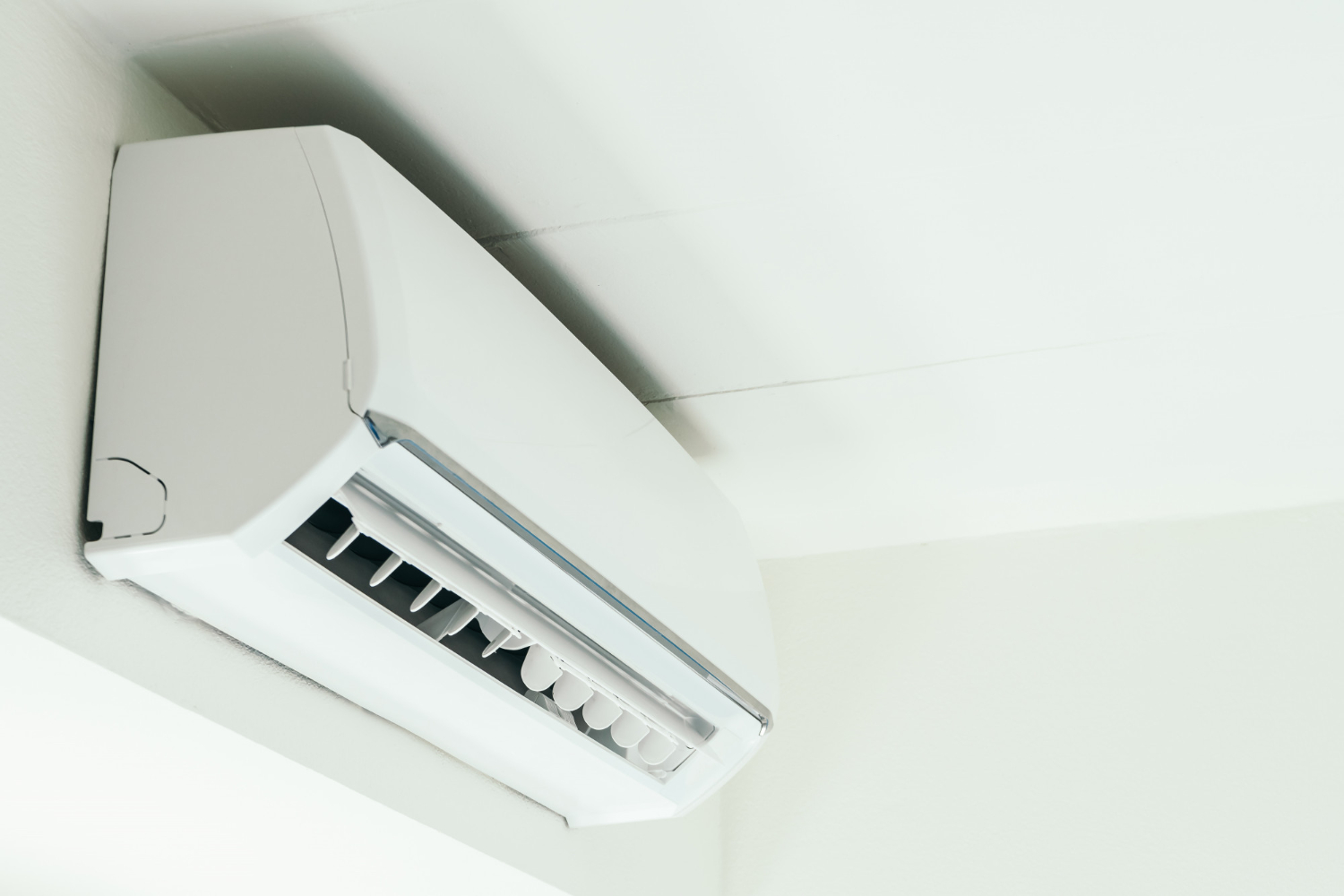
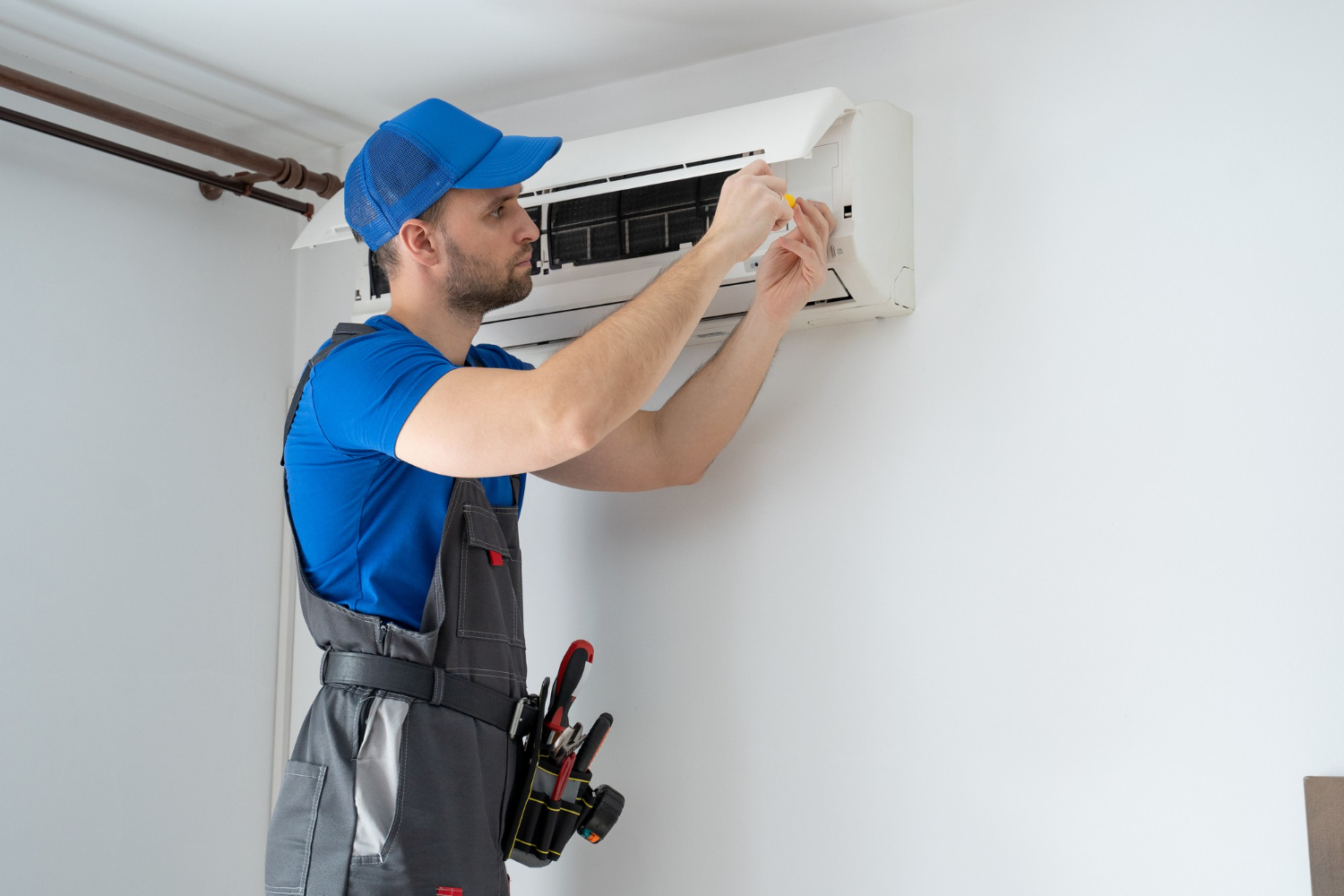
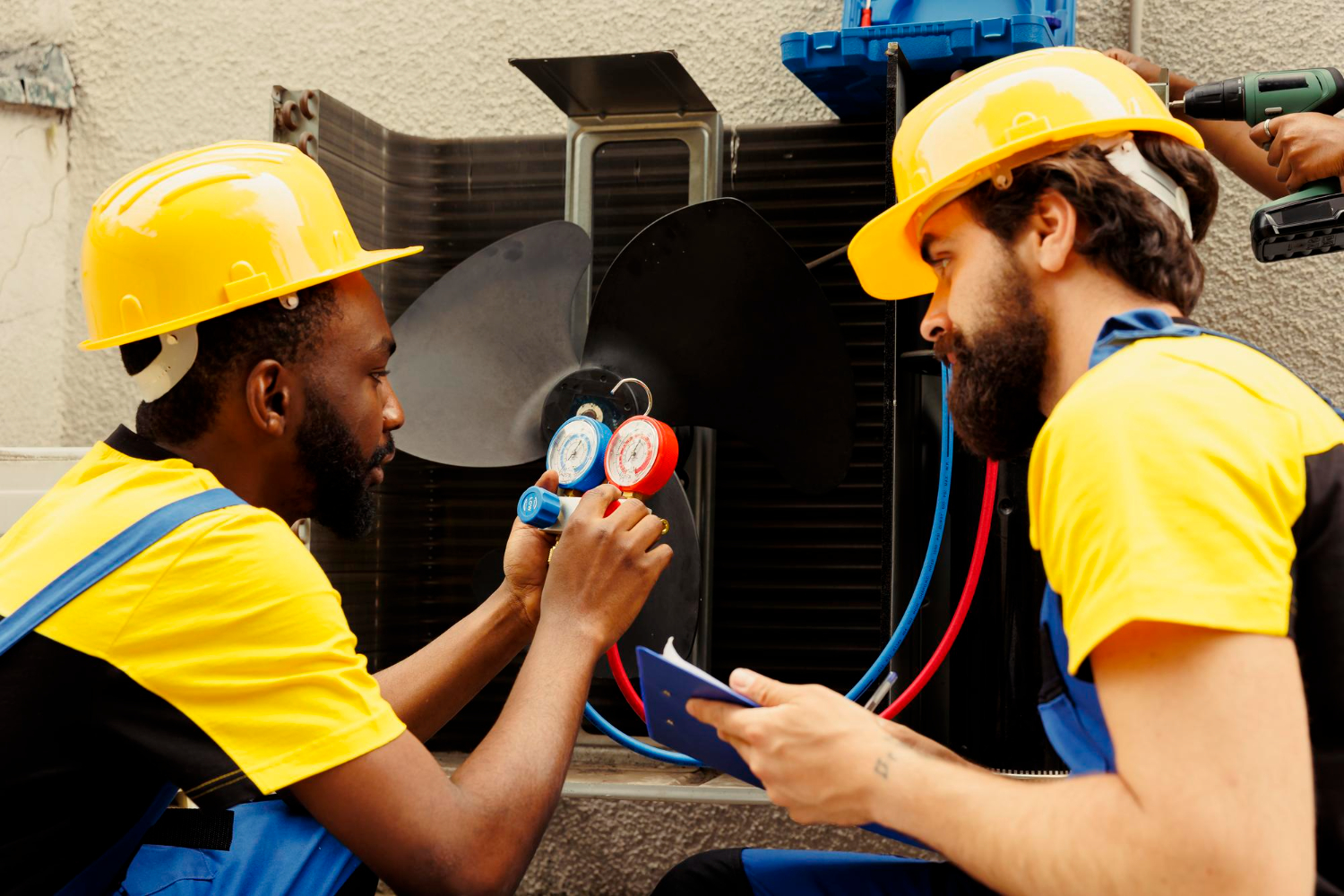
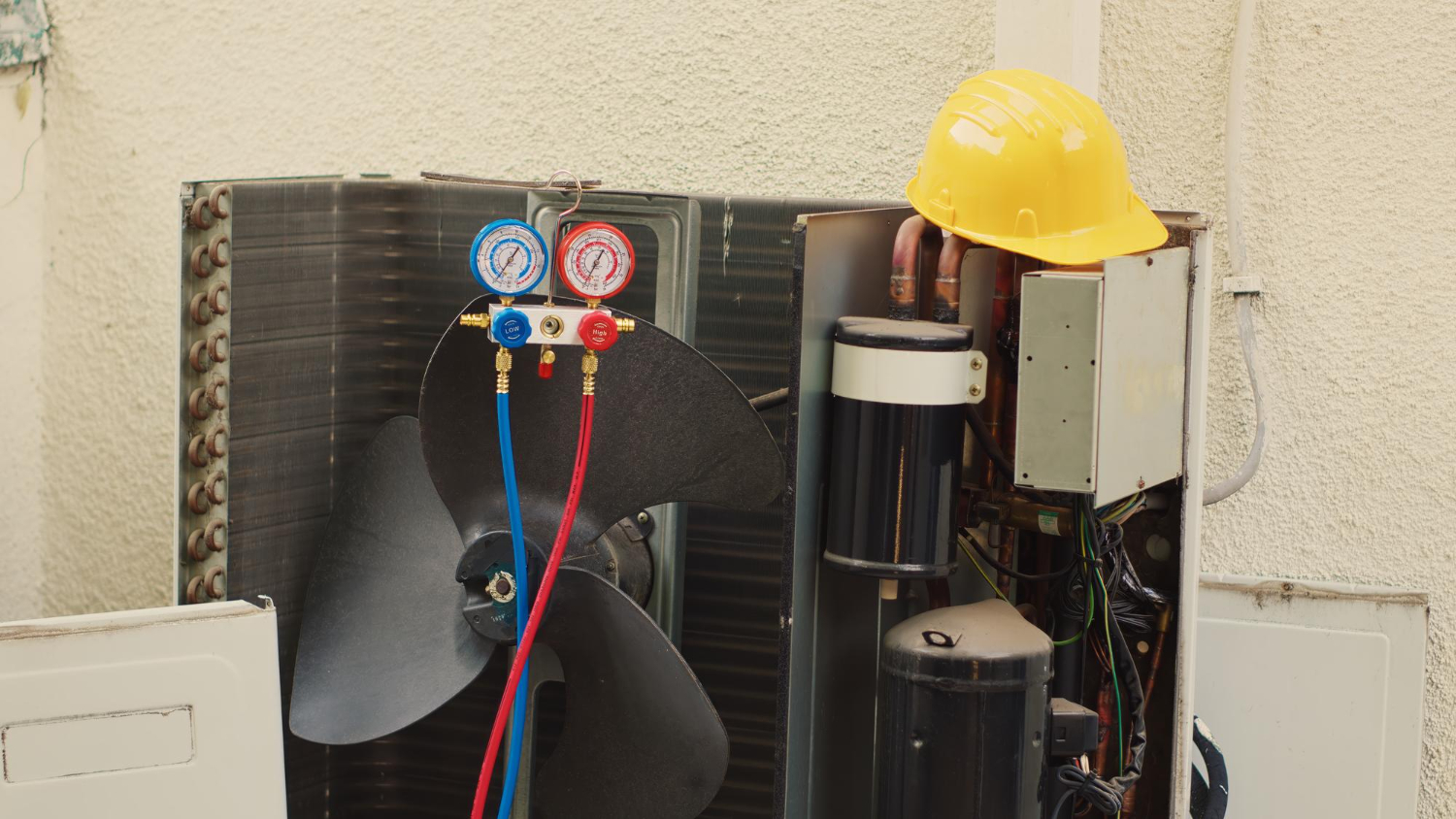
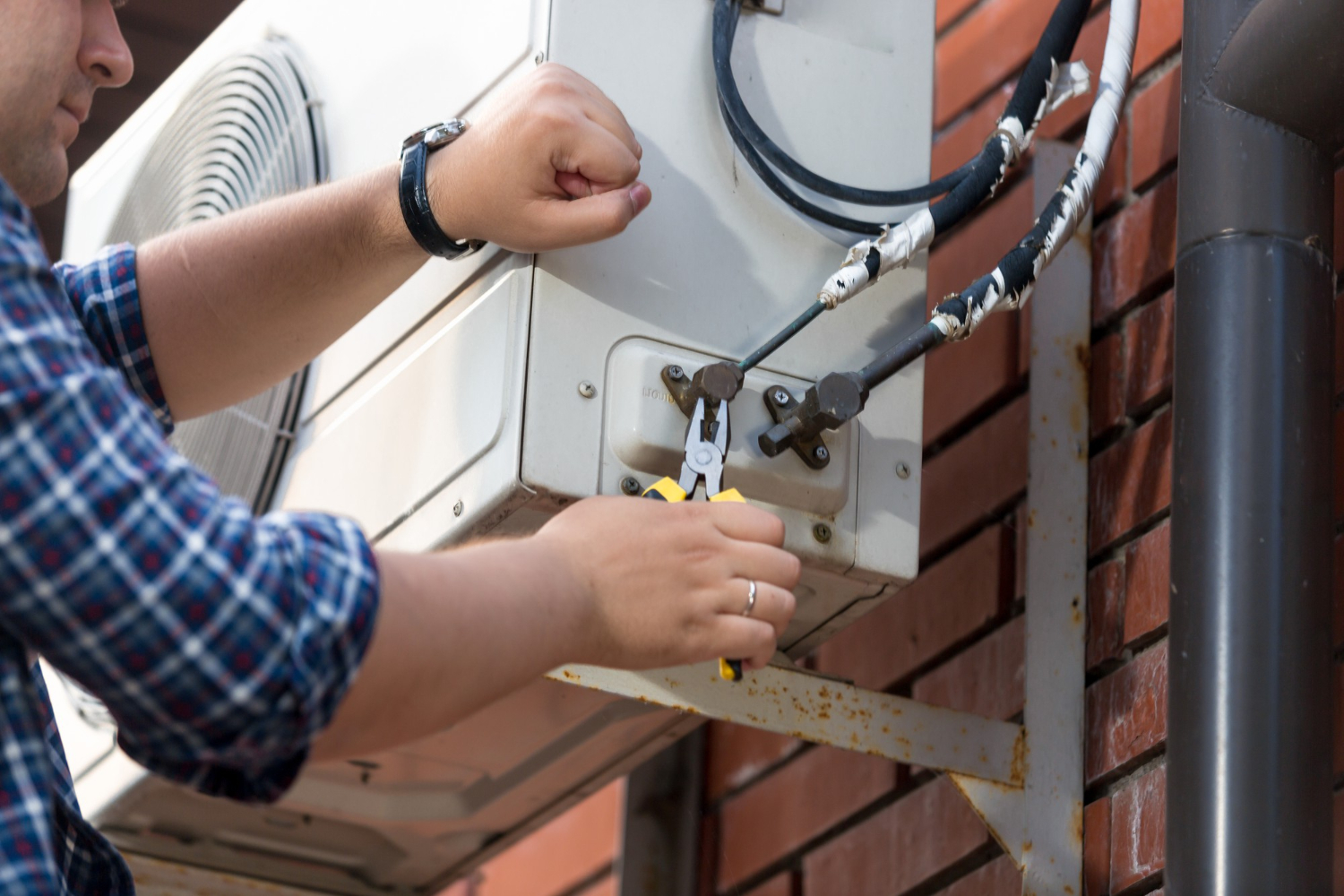
Regular maintenance of your HVAC system is crucial for ensuring its efficiency and longevity. Scheduling routine check-ups can help identify potential issues before they escalate into costly repairs, ultimately saving homeowners time and money.
For instance, a well-maintained air conditioning unit can reduce energy consumption by up to 15%. Additionally, regular maintenance helps improve indoor air quality, as clean filters and ducts prevent dust and allergens from circulating in your home, contributing to a healthier living environment.
Common HVAC Problems and How to Troubleshoot Them
Homeowners often encounter various HVAC issues that may seem daunting at first. Understanding common problems, such as inadequate heating or cooling, strange noises, or unusual odors, can empower you to troubleshoot effectively before calling a professional.
For example, if your system is not cooling properly, checking the thermostat settings, ensuring the air filters are clean, and inspecting the outdoor unit for obstructions are simple steps that can resolve the issue without professional help. Knowing these basics can save you time and ensure your system runs smoothly.
Energy Efficiency Tips for Your HVAC System
Improving the energy efficiency of your HVAC system can lead to significant savings on your utility bills. Simple adjustments in your home can make a difference, such as sealing leaks in ducts, using programmable thermostats, and ensuring proper insulation.
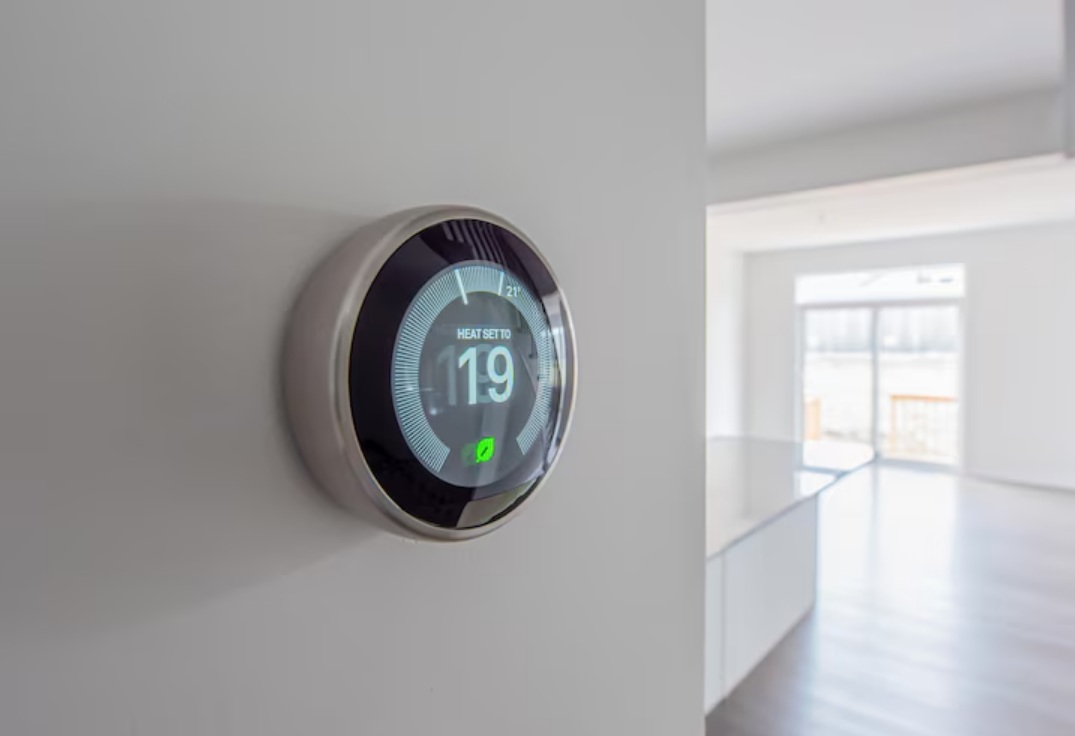
For instance, utilizing a programmable thermostat can reduce energy costs by allowing you to set temperatures according to your schedule, ensuring your system only works when necessary. Additionally, upgrading to energy-efficient HVAC units can further enhance savings while contributing to environmental sustainability.
Choosing the Right HVAC System for Your Home
Selecting the appropriate HVAC system for your home involves considering various factors, including the size of your space, local climate, and your specific heating and cooling needs. Understanding these elements can help you make an informed decision.
For example, a heat pump may be ideal for moderate climates, while traditional furnaces or air conditioners might be better suited for areas with extreme temperatures. Consulting with a professional can provide insights tailored to your home, ensuring optimal comfort and efficiency.
Understanding the Benefits of Regular HVAC Maintenance
Regular maintenance of your HVAC system is crucial for ensuring its efficiency and longevity. Scheduling routine check-ups can help identify potential issues before they escalate into costly repairs, ultimately saving homeowners time and money.
For instance, a well-maintained air conditioning unit can reduce energy consumption by up to 15%. Additionally, regular maintenance helps improve indoor air quality, as clean filters and ducts prevent dust and allergens from circulating in your home, contributing to a healthier living environment.
Common HVAC Problems and How to Troubleshoot Them
Homeowners often encounter various HVAC issues that may seem daunting at first. Understanding common problems, such as inadequate heating or cooling, strange noises, or unusual odors, can empower you to troubleshoot effectively before calling a professional.
For example, if your system is not cooling properly, checking the thermostat settings, ensuring the air filters are clean, and inspecting the outdoor unit for obstructions are simple steps that can resolve the issue without professional help. Knowing these basics can save you time and ensure your system runs smoothly.
Energy Efficiency Tips for Your HVAC System
Improving the energy efficiency of your HVAC system can lead to significant savings on your utility bills. Simple adjustments in your home can make a difference, such as sealing leaks in ducts, using programmable thermostats, and ensuring proper insulation.
For instance, utilizing a programmable thermostat can reduce energy costs by allowing you to set temperatures according to your schedule, ensuring your system only works when necessary. Additionally, upgrading to energy-efficient HVAC units can further enhance savings while contributing to environmental sustainability.
Choosing the Right HVAC System for Your Home
Selecting the appropriate HVAC system for your home involves considering various factors, including the size of your space, local climate, and your specific heating and cooling needs. Understanding these elements can help you make an informed decision.
For example, a heat pump may be ideal for moderate climates, while traditional furnaces or air conditioners might be better suited for areas with extreme temperatures. Consulting with a professional can provide insights tailored to your home, ensuring optimal comfort and efficiency.