
Understanding the Importance of Regular HVAC Maintenance
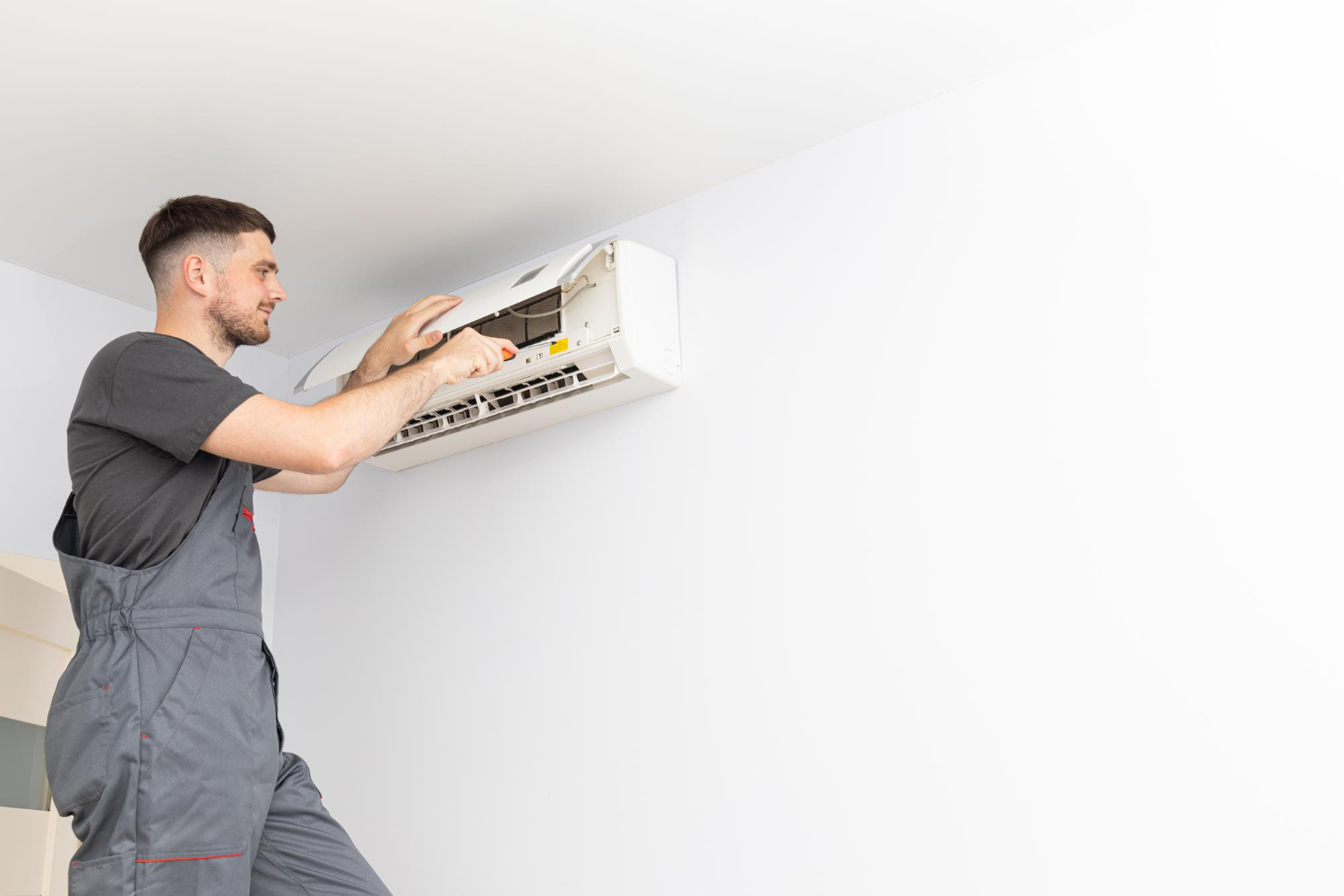
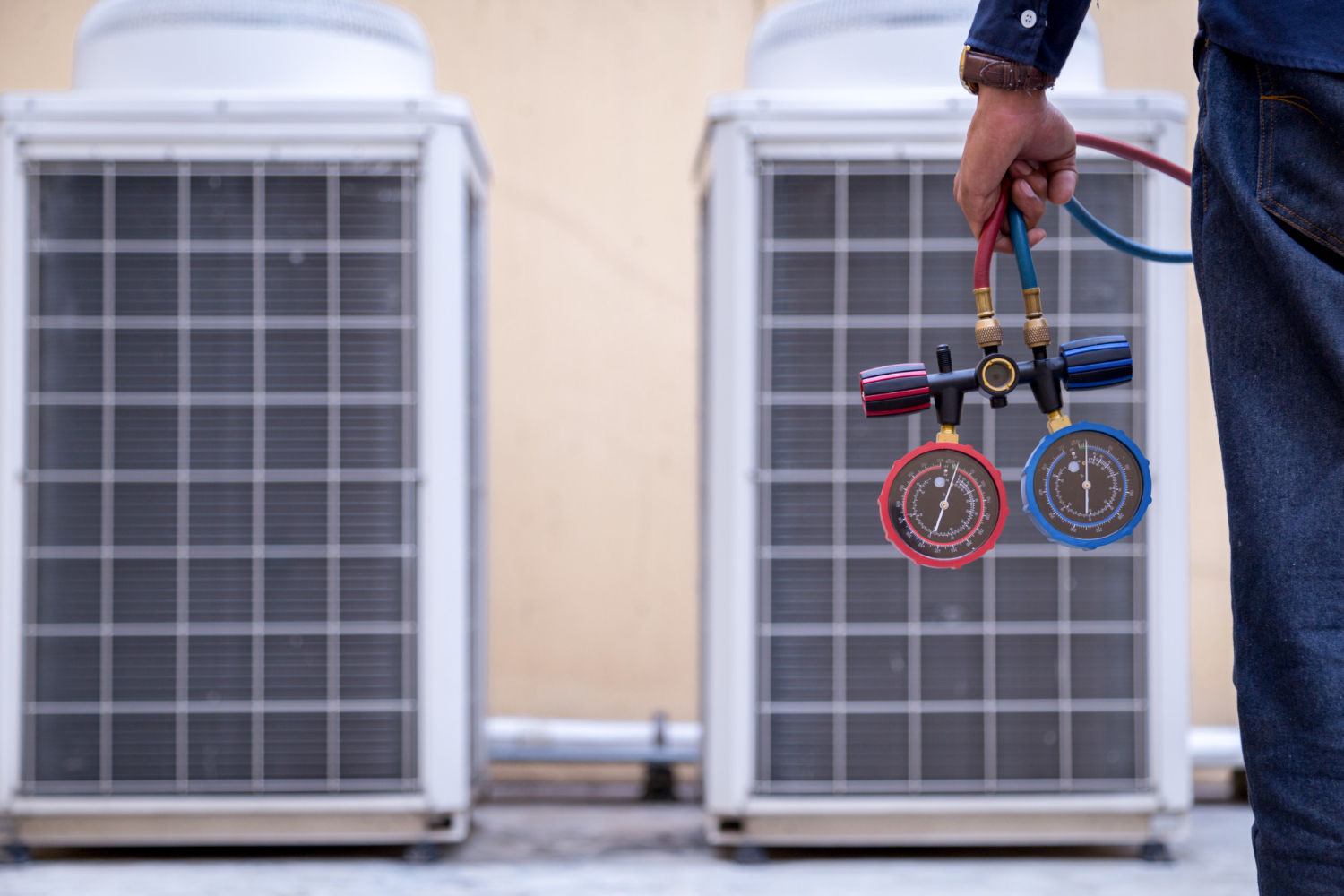
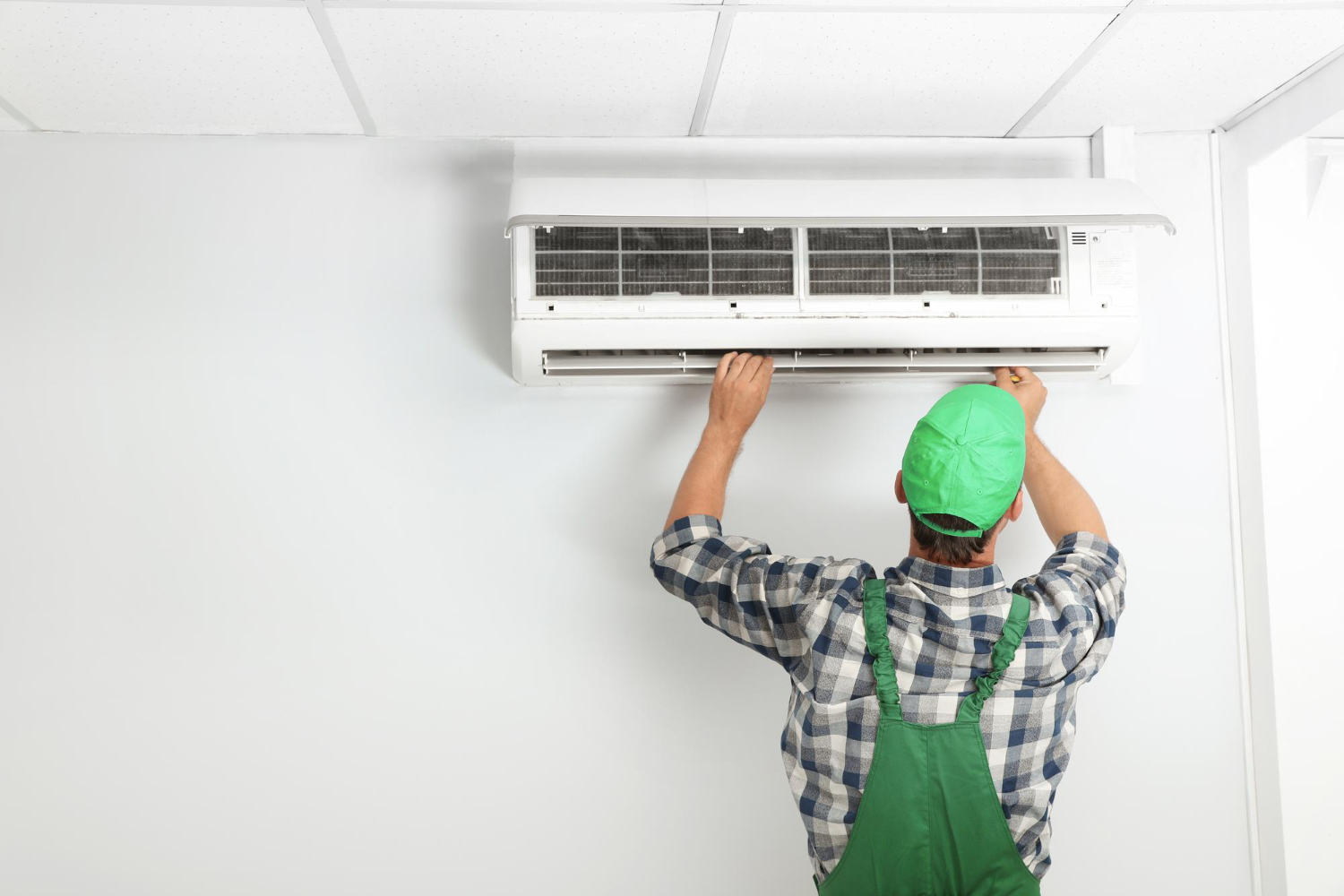
Regular maintenance of HVAC systems is crucial for ensuring optimal performance and longevity. Homeowners often overlook the importance of routine check-ups, but these services can prevent costly repairs and improve energy efficiency.
For instance, a well-maintained air conditioning unit can operate up to 15% more efficiently, leading to lower energy bills. Additionally, regular maintenance helps identify potential issues before they escalate, ensuring comfort during extreme weather conditions.
How to Choose the Right HVAC System for Your Home
Selecting the appropriate HVAC system for your home involves considering various factors, including the size of your home, your budget, and your specific heating and cooling needs. It's essential to evaluate the efficiency ratings and features of different systems to make an informed decision.
For example, a high-efficiency system may have a higher upfront cost but can lead to significant savings on energy bills over time. Consulting with HVAC professionals can provide valuable insights tailored to your home's unique requirements.
Common HVAC Problems and How to Troubleshoot Them
Homeowners often encounter common HVAC issues that can disrupt comfort, such as inconsistent temperatures or strange noises. Understanding these problems and their potential causes can empower homeowners to troubleshoot effectively before calling a technician.
For instance, if your heating system is blowing cold air, it may indicate a thermostat issue or a problem with the pilot light. Simple checks like replacing filters or ensuring vents are unobstructed can often resolve these issues without professional intervention.
Energy-Saving Tips for Your HVAC System
Implementing energy-saving practices for your HVAC system can lead to significant cost savings and reduced environmental impact. Simple changes in usage habits and system settings can enhance efficiency and comfort in your home.
For example, setting your thermostat a few degrees higher in summer and lower in winter can dramatically reduce energy consumption. Additionally, utilizing programmable thermostats and sealing air leaks can further optimize your HVAC system's performance.
Understanding the Importance of Regular HVAC Maintenance
Regular maintenance of HVAC systems is crucial for ensuring optimal performance and longevity. Homeowners often overlook the importance of routine check-ups, but these services can prevent costly repairs and improve energy efficiency.
For instance, a well-maintained air conditioning unit can operate up to 15% more efficiently, leading to lower energy bills. Additionally, regular maintenance helps identify potential issues before they escalate, ensuring comfort during extreme weather conditions.
How to Choose the Right HVAC System for Your Home
Selecting the appropriate HVAC system for your home involves considering various factors, including the size of your home, your budget, and your specific heating and cooling needs. It's essential to evaluate the efficiency ratings and features of different systems to make an informed decision.
For example, a high-efficiency system may have a higher upfront cost but can lead to significant savings on energy bills over time. Consulting with HVAC professionals can provide valuable insights tailored to your home's unique requirements.
Common HVAC Problems and How to Troubleshoot Them
Homeowners often encounter common HVAC issues that can disrupt comfort, such as inconsistent temperatures or strange noises. Understanding these problems and their potential causes can empower homeowners to troubleshoot effectively before calling a technician.
For instance, if your heating system is blowing cold air, it may indicate a thermostat issue or a problem with the pilot light. Simple checks like replacing filters or ensuring vents are unobstructed can often resolve these issues without professional intervention.
Energy-Saving Tips for Your HVAC System
Implementing energy-saving practices for your HVAC system can lead to significant cost savings and reduced environmental impact. Simple changes in usage habits and system settings can enhance efficiency and comfort in your home.
For example, setting your thermostat a few degrees higher in summer and lower in winter can dramatically reduce energy consumption. Additionally, utilizing programmable thermostats and sealing air leaks can further optimize your HVAC system's performance.