


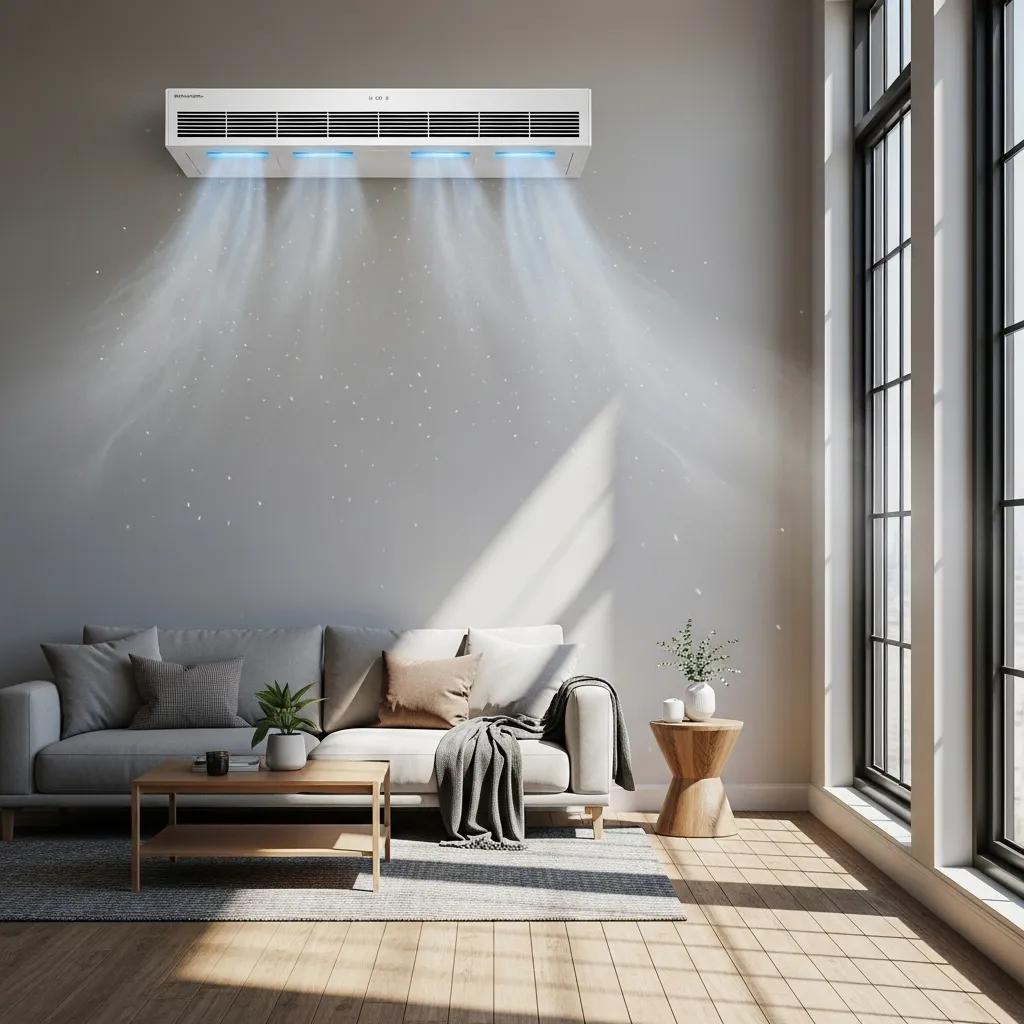
Energy‑Smart HVAC Solutions: Lower Heating & Cooling Costs While Staying Comfortable
Making your HVAC system more energy efficient means getting the same comfort while using less fuel or electricity. Many homeowners see higher utility bills, uneven temperatures, or systems that wear out too soon when equipment isn’t optimized. This guide walks through practical steps—diagnostics, upgrades, and maintenance—that reduce energy use and extend equipment life. You’ll learn what commonly wastes HVAC energy, how a professional home energy audit finds the biggest opportunities, which upgrades deliver the most savings, and how a simple maintenance plan keeps those gains. We use familiar terms like energy audit, SEER, AFUE, heat pump efficiency, and ductless mini‑split performance and tie them to real homeowner choices. Follow this roadmap to lower monthly bills, improve indoor air quality, and make smarter long‑term investments in home comfort.
Why improving HVAC energy efficiency matters for your home
An inefficient HVAC system wastes energy—turning more fuel or electricity into heat loss and wear instead of useful conditioned air. Common causes include aging equipment, leaky ducts, poor thermostat settings, and skipped maintenance; each one increases run time and reduces comfort. Improving efficiency lowers utility bills, evens out temperatures, cuts greenhouse gas emissions, and helps your system last longer. Below are easy signs that your system may be costing you money and what to check first.
Homeowners often notice practical warning signs that point to HVAC energy loss:
- Uneven room temperatures: consistent hot or cold spots usually mean airflow or zoning problems that waste energy.
- Rising utility bills without a change in usage: unexplained increases often signal developing faults or falling efficiency.
- Frequent short cycling or repeat repairs: constant on/off cycles and service calls indicate the system is strained and inefficient.
Those signals usually tie to fixable problems, and addressing them often delivers immediate savings compared to replacing the whole system.
To prioritize improvements, it helps to quantify common losses and the straightforward fixes technicians perform. The table below summarizes typical causes of energy loss, rough loss estimates, and common remedies.
Different leaks and component issues cause measurable energy loss and point to concrete fixes.
| Common Efficiency Issue | Estimated Energy Loss | Typical Fix |
|---|---|---|
| Leaky Ducts | 20–30% of conditioned air | Seal ducts and target main trunks and boots |
| Dirty Filters & Coils | 5–15% efficiency drop | Replace filters, clean coils, restore airflow |
| Incorrect Thermostat Settings | Variable | Reprogram schedule or install a smart/programmable thermostat |
| Aging Equipment (low SEER/AFUE) | 10–40% vs modern units | Upgrade to high‑efficiency equipment when justified |
Many high‑impact improvements are incremental and cost far less than a full replacement—duct sealing and routine maintenance usually give the fastest returns. Use this list to decide what to test first during an energy audit.
Benefits of energy‑efficient HVAC systems
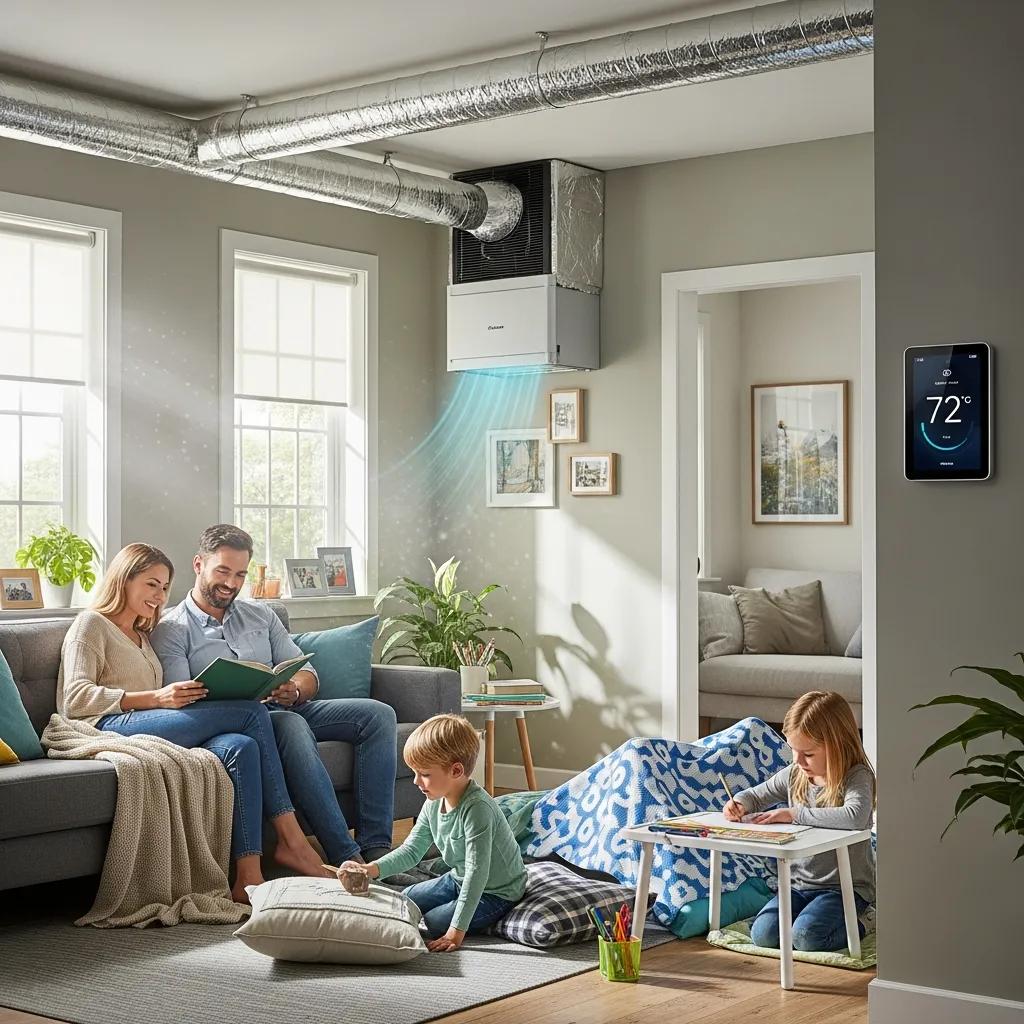
Energy‑efficient HVAC systems cut energy use while improving comfort, indoor air quality, and equipment life. Better equipment and properly tuned systems run for shorter periods to reach the same temperature, which lowers bills and reduces wear on compressors and fans. Improved airflow and filtration also mean fewer allergens and less dust in living spaces. Over time those wins add up: fewer repairs, a longer replacement horizon, and the potential to recover upgrade costs through lower operating expenses.
For example, replacing an old, undersized air conditioner with a correctly sized, high‑SEER unit will lower summer cooling bills—and sealing ducts before replacement increases delivered efficiency and can reduce the needed equipment size. Layering fixes like these produces the best long‑term value.
How HVAC efficiency affects your energy bills
HVAC efficiency determines how much energy a system uses to provide heating or cooling. Higher SEER ratings for cooling and higher AFUE ratings for furnaces mean less energy is needed for the same comfort. By contrast, leaks, poor maintenance, and wrong sizing raise energy use per degree of comfort and increase bills. In general, each improvement in efficiency tends to lower operating costs proportionally, though exact savings depend on climate, usage, and energy prices.
Upgrading an old air conditioner to a higher‑SEER model, combined with duct sealing and smart thermostat control, typically reduces seasonal cooling costs and improves temperature consistency. Those relationships help homeowners weigh payback times and choose the highest‑impact fixes first.
How a home energy audit finds HVAC inefficiencies
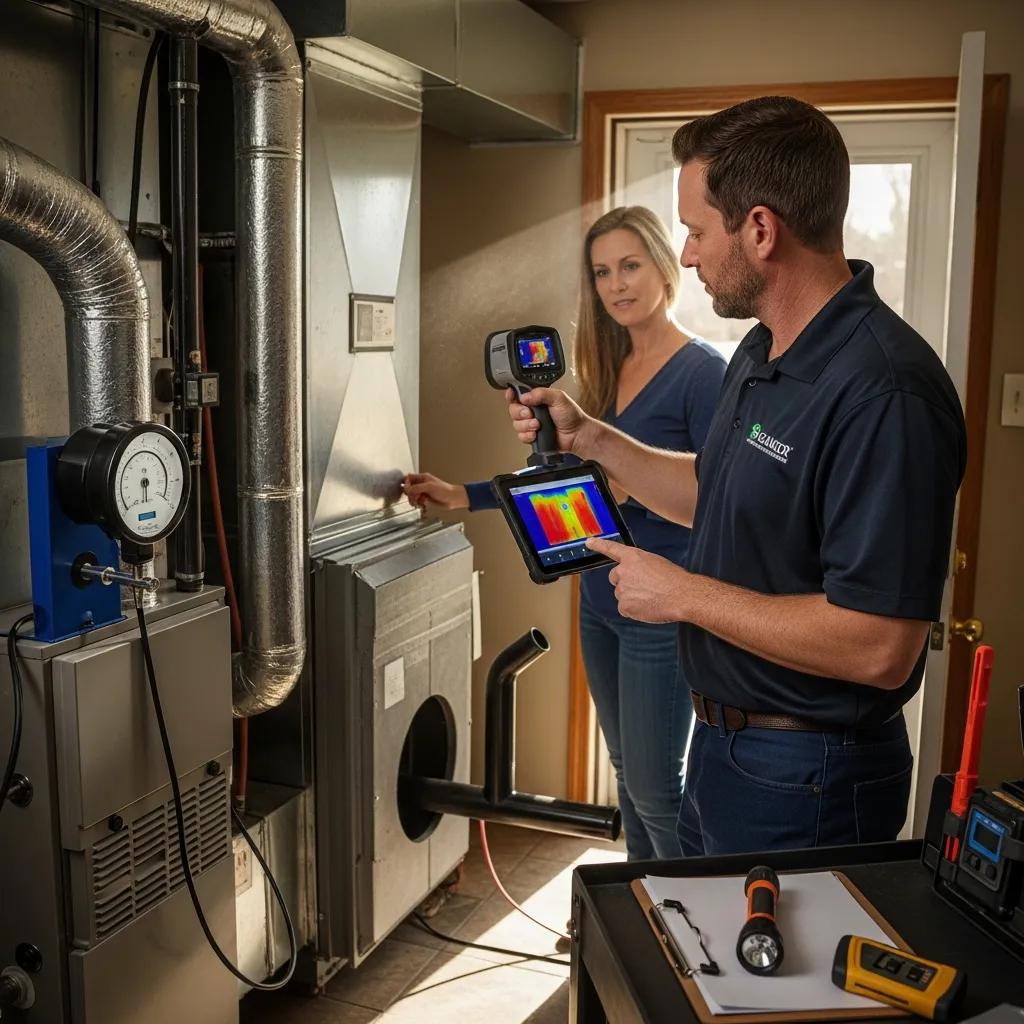
A home energy audit is a focused inspection that measures how your building envelope and HVAC system perform. Auditors pair visual checks with diagnostic tools—blower door testing to find air leaks, thermal imaging to spot insulation gaps, and airflow measures at registers—to quantify losses and rank fixes. The audit delivers a prioritized list of actions, from simple maintenance and behavior changes to targeted repairs and equipment upgrades, so you can see which steps pay back fastest.
Knowing what an energy audit covers helps homeowners focus on the highest‑value improvements.
A professional audit normally checks the HVAC issues homeowners run into most. The short list below covers the core diagnostics that make audits actionable and easy to act on.
A standard energy audit typically includes these checks:
- Blower door and leakage testing to locate uncontrolled air paths that increase heating and cooling loads.
- Duct pressure and airflow measurements to uncover leaks, blockages, or imbalances that reduce comfort delivery.
- Thermostat and control reviews plus visual inspections of equipment, filters, coils, and insulation to spot maintenance and upgrade opportunities.
Those checks create a prioritized roadmap so homeowners can take immediate, medium‑term, and long‑term actions to cut consumption and improve comfort.
Below is a table that maps common audit checks to the issues they reveal and the likely savings—useful when deciding whether an audit will pay for itself.
Audit checks reveal direct fixes and likely savings.
| Diagnostic Check | Issue Identified | Potential Savings |
|---|---|---|
| Thermostat & Controls | Misprogramming, outdated controls | 5–15% on seasonal HVAC use |
| Blower Door | Envelope leaks increasing load | 10–20% total heating/cooling energy |
| Duct Pressure/Airflow | Leaks, poor balance, dirty plenums | 5–20% of HVAC delivery losses |
| Insulation & Thermal Imaging | Missing/compacted insulation | 5–15% on heating or cooling load |
Audit findings turn into a prioritized action list—start with inexpensive fixes such as sealing and programming, then consider equipment upgrades if the numbers support them. After an audit, compare estimated savings to costs to pick the best path forward.
Trinity Heating & Air Conditioning Corp. performs energy audits that follow these diagnostic steps and delivers a clear, prioritized set of recommendations tailored to local homes. If you’d rather have a pro handle the diagnostics, schedule an energy audit with a local provider—Trinity’s process links directly to installation, repair, and maintenance if you want help implementing recommendations. To move from diagnosis to action, consider scheduling an energy audit or requesting a consultation to review prioritized measures and any local incentives.
What to expect during a professional energy audit
A professional energy audit is a structured visit: it starts with a homeowner interview and ends with a written report that ranks recommendations by cost‑effectiveness. The auditor reviews thermostat settings and utility trends, documents comfort complaints, then runs tests like blower door, duct pressure, and thermal imaging. Technicians inspect furnace and AC components, check filters and coils, and measure supply and return airflow to find bottlenecks. The final report lists recommended fixes—duct sealing, filter changes, or equipment upgrades—with expected savings and next steps.
Knowing the audit timeline and deliverables helps you act on the highest‑value measures quickly. The next section explains how audit findings translate into real savings and implementation plans.
How an energy audit produces energy savings
An audit creates a hierarchy of interventions: quick, low‑cost fixes (thermostat programming, filter replacement), targeted repairs (duct sealing, refrigerant correction), and equipment upgrades when age or performance justify them. Audits help you pursue “no‑regret” measures first—those that pay back quickly—then evaluate larger investments like a high‑efficiency heat pump or ductless mini‑split for your climate and usage. By estimating energy reductions for each measure, audits give a clear framework so investments match your budget and goals.
To show how findings map to actions, the table below links common audit results to typical fixes and expected outcomes to help weigh options.
Audit results clarify practical steps to reduce bills.
| Audit Finding | Recommended Action | Expected Outcome |
|---|---|---|
| High envelope leakage | Blower door‑guided air sealing | Lower heating/cooling load; improved comfort |
| Duct leakage | Targeted sealing and insulation | Increased delivered airflow and up to 20% system efficiency |
| Low refrigerant/dirty coils | Refrigerant correction and coil cleaning | Restored capacity and lower compressor run‑time |
Start with quick wins to cut immediate waste—those often improve performance enough to delay or downsize major replacements. Reserve larger upgrades for when the audit shows clear long‑term value.
HVAC upgrades that reduce heating and cooling costs
Certain upgrades reliably lower heating and cooling expenses when chosen to match your climate, existing equipment, and usage. High‑impact choices include heat pumps (air‑source and mini‑split), ductless mini‑splits for zoned retrofits, high‑SEER air conditioners paired with matched heat pumps, and programmable or smart thermostats that cut unnecessary run time. Picking the right option balances upfront cost, expected savings, installation complexity, and available incentives—an audit helps identify the best fit. The list below summarizes upgrade categories to review with a contractor or energy advisor.
Consider these upgrade categories when planning efficiency investments:
- Heat pumps and air‑source systems: provide both heating and cooling with strong seasonal efficiency in many climates and reduce fossil fuel use.
- Ductless mini‑splits: deliver efficient zone control and avoid duct losses—ideal for additions or rooms without duct access.
- High‑SEER replacement air conditioners: lower cooling energy, especially when ducts are sealed and the system is right‑sized.
- Controls and thermostats: programmable and smart thermostats trim wasted run time and enable better scheduling.
To compare options, the table below summarizes typical efficiency mechanisms and benefits for common upgrades—use it to guide an audit‑driven decision.
Upgrades differ in mechanism and expected impact.
| Upgrade Option | Efficiency Mechanism | Typical Efficiency Gain / Benefit |
|---|---|---|
| Heat Pump | Moves heat rather than burning fuel | Significant seasonal energy savings in mild to moderate climates |
| Ductless Mini-Split | Zoned conditioning; eliminates duct losses | High zone‑level efficiency and flexible retrofit capability |
| High-SEER AC | Improved compressor and coil design | Reduced cooling energy; best when paired with duct optimization |
| Smart Thermostat | Behavioral and scheduling optimization | 5–15% operational reduction through better controls |
Pairing equipment upgrades with envelope and duct fixes multiplies the benefit. A high‑efficiency heat pump on a home with sealed ducts and good insulation will deliver much larger real‑world savings than the same unit on a leaky home.
Trinity Heating & Air Conditioning Corp. installs heat pumps, ductless systems, and high‑efficiency equipment and can discuss financing options (for example, through partners like GreenSky) to help spread the cost of bigger projects. For a tailored estimate, request a consultation to review options and financing before committing to a large replacement.
How heat pumps and ductless mini‑splits boost efficiency
Heat pumps and ductless mini‑splits save energy by moving heat instead of creating it—this uses much less energy per unit of comfort and provides both heating and cooling in one package. Air‑source heat pumps extract heat from the outdoors in winter and reverse the cycle to cool in summer, giving strong seasonal performance in suitable climates. Ductless mini‑splits use the same principle but serve zones directly, avoiding duct losses. Combined with good insulation, correct sizing, and matched controls, these systems offer precise zone control and year‑round efficiency.
When considering installation, evaluate existing ducts, size each zone correctly, and ensure refrigerant charge and airflow are set properly to get the best performance. Those details help you decide whether a ducted heat pump or a ductless mini‑split is the right fit for your home and budget.
What SEER and AFUE ratings mean and why they matter
SEER (Seasonal Energy Efficiency Ratio) and AFUE (Annual Fuel Utilization Efficiency) are standard ratings that indicate seasonal cooling and heating efficiency. SEER measures seasonal cooling output per unit of electricity—higher SEER means lower summer electricity use. AFUE measures how much fuel a furnace converts to heat—higher AFUE means less fuel wasted. Homeowners use these ratings to compare models: higher SEER or AFUE usually reduces energy bills, though actual savings depend on climate, run time, and installation quality.
The small table below makes the homeowner impact of these ratings clear.
| Rating | Measures | Homeowner Impact |
|---|---|---|
| SEER | Seasonal cooling efficiency | Higher SEER → lower summer electricity consumption |
| AFUE | Annual fuel‑to‑heat conversion | Higher AFUE → less furnace fuel burned for the same heat |
Use ratings as part of an audit‑driven selection so equipment choices translate into real savings and align with duct and control improvements.
How energy‑saving HVAC maintenance keeps systems performing
Regular, targeted maintenance protects efficiency by keeping components within design limits and preventing conditions—dirty coils, low refrigerant—that force longer run times. High‑impact tasks include replacing or cleaning air filters, cleaning evaporator and condenser coils, checking refrigerant charge, verifying airflow and motor operation, and calibrating thermostats. Each task reduces friction, restores heat‑transfer, and shortens run time. Routine maintenance also catches small issues before they become expensive, energy‑wasting failures—making it a high‑value recurring investment.
A maintenance checklist focused on energy savings includes:
- Replace or clean filters every 1–3 months as needed to restore designed airflow and reduce blower energy.
- Clean coils and condensate drains yearly to improve heat exchange and prevent efficiency loss.
- Verify refrigerant charge and airflow to correct capacity loss and protect the compressor.
- Inspect and seal accessible ductwork and check thermostat calibration to reduce lost conditioned air and cycling losses.
These steps preserve the efficiency gains from audits and upgrades and reduce emergency repair frequency by catching problems early.
Below is a table showing how common maintenance tasks support efficiency and what impact to expect—use it to prioritize service actions.
Maintenance tasks directly support efficiency and reliability.
| Maintenance Task | Efficiency Role | Typical Impact |
|---|---|---|
| Filter replacement | Maintains airflow and reduces blower load | Immediate airflow recovery; 5–15% efficiency effect |
| Coil cleaning | Restores heat‑transfer effectiveness | Improves capacity; reduces run‑time |
| Refrigerant check | Ensures designed cooling/heating capacity | Prevents 10–30% performance loss from low charge |
| Duct inspection | Reduces leakage and imbalance | Recovers lost conditioned air; up to 20% improvement |
What Trinity’s HVAC maintenance plan includes for energy savings
Trinity Heating & Air Conditioning Corp.’s maintenance plan focuses on the inspections and tune‑ups that most directly preserve efficiency and reliability. Typical plan items include filter and coil cleaning, refrigerant level verification, airflow measurements, thermostat calibration, safety checks, and a basic ductwork evaluation. Each task targets a common failure mode that raises energy use. Enrolling in a maintenance plan puts regular service on the calendar and ensures technicians follow a consistent checklist that complements audit recommendations and manufacturer guidance. For homeowners who prefer a single point of contact for tune‑ups, repairs, and upgrade advice, the plan simplifies lifecycle management and often reduces emergency repairs.
If you’re ready now, Trinity makes it easy to book seasonal maintenance or ask about enrollment to keep your system efficient and avoid unexpected breakdowns.
How ductwork optimization prevents energy loss
Optimizing ducts reduces energy loss by sealing leaks, balancing airflow, and insulating ducts that run through unconditioned spaces—so more conditioned air reaches living areas. Leaky or uninsulated ducts dump heated or cooled air into attics, crawlspaces, or wall cavities, forcing equipment to run longer. Sealing seams, insulating ducts, and repairing disconnected runs cut that waste and improve comfort. A quick diagnostic approach includes visual checks for damage, airflow measurements at problem registers, and pressure testing to quantify leakage.
- Inspect visible ducts for damage or disconnections.
- Measure airflow balance across zones and at registers.
- Perform targeted sealing with mastic or approved tape, then insulate ducts in unconditioned spaces.
These fixes recover lost conditioned air and usually pay back faster than a major equipment replacement by making existing systems work as intended.
How ductwork optimization prevents energy loss (summary & next steps)
Sealing and insulating ducts, balancing airflow, and using pressure testing to verify results let homeowners capture the full value of efficiency upgrades. Once ducts are optimized, you can confidently choose equipment or control upgrades and schedule a coordinated plan that combines audit findings, targeted duct repairs, maintenance, and, where appropriate, new installations.
Ready to start saving? Schedule an energy consultation today
If you’re ready to turn diagnostics and upgrade ideas into a clear plan, Trinity Heating & Air Conditioning Corp. offers energy audits, installations, repairs, and maintenance that follow the diagnostic‑to‑implementation path above. Our services include heat pump and ductless mini‑split installation, HVAC maintenance plans, duct sealing, and financing conversations to help manage larger projects. After an audit, our technicians present clear recommendations so you can decide next steps. To move forward, request an energy audit, ask for a written estimate for recommended upgrades, or enroll in a maintenance plan to protect efficiency gains—these actions turn assessed savings into real reductions on your utility bills. With audit‑driven prioritization and coordinated maintenance, homeowners reduce waste, improve comfort, and make informed investments that deliver measurable savings. For any questions, please contact us.